2026 Top 3D CNC Machine Trends and Innovations to Watch?
The landscape of manufacturing is rapidly evolving, especially in the realm of 3D CNC machines. According to a recent report from MarketsandMarkets, the global market for CNC machines is projected to reach $100 billion by 2026, reflecting a compound annual growth rate (CAGR) of over 6%. This growth is fueled by advancements in technology and increasing demand for precision in various industries, including aerospace and automotive.
Emerging trends in 3D CNC machines are reshaping operational efficiency and product development. For instance, the integration of artificial intelligence in CNC machining enables predictive maintenance, reducing downtime and operational costs. However, many manufacturers are still hesitant to adopt these innovations fully, fearing the upfront investment and a steep learning curve. This reluctance could hinder their competitiveness in the market.
Moreover, sustainability is becoming a focal point. Companies are exploring eco-friendly materials and energy-efficient processes. While many are making strides, others lag, caught in the traditional methods of machining. The ongoing transition highlights a critical reflection point for industries aiming to stay relevant in a fast-paced technological landscape. The future of 3D CNC machines holds promise, yet challenges remain for those unwilling or unable to adapt.
Emerging Materials for 3D CNC Machining in 2026
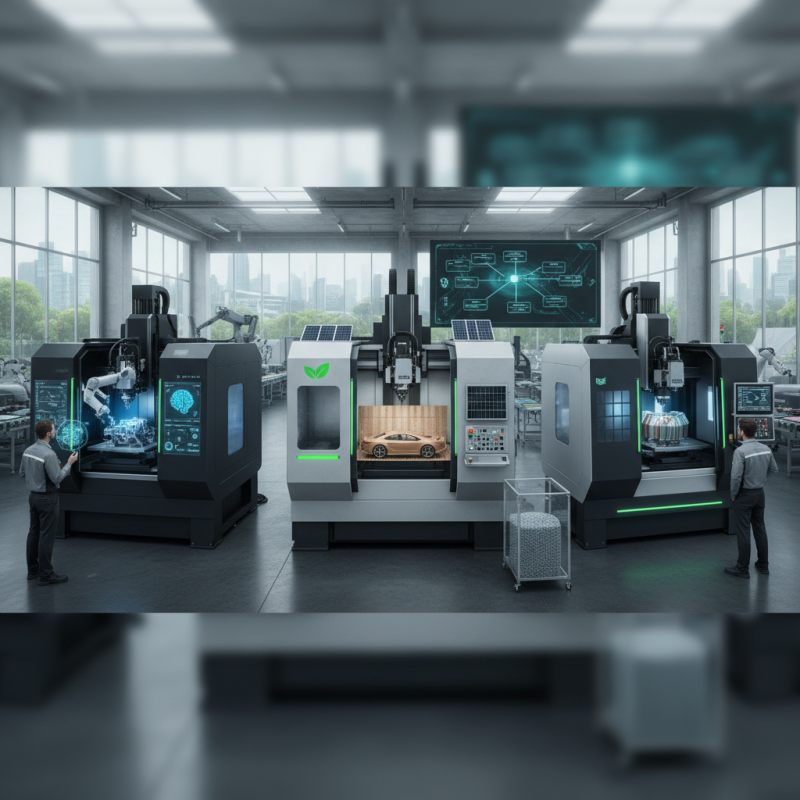
Emerging materials for 3D CNC machining in 2026 are set to revolutionize the industry. One exciting development is bio-based materials. These sustainable options are derived from natural sources, reducing the carbon footprint significantly. This shift towards eco-friendly production is essential as environmental concerns grow. However, adapting to these materials requires new processing methods that are not yet fully explored.
Another innovative material is advanced composites. These materials combine multiple elements to enhance strength and durability. They are lightweight and flexible, making them suitable for a range of applications. Yet, using composites can be challenging. Their complexity may lead to production errors if not handled properly.
Metals are also evolving. Alloyed metals with enhanced properties are emerging. They offer better performance under extreme conditions, which is crucial for industries like aerospace and automotive. Still, mastering these new metals requires technical expertise and ongoing adjustments in the manufacturing process. Balancing innovation with practicality will be a key focus for CNC machining in 2026.
Advancements in Automation and AI Integration in CNC Machines
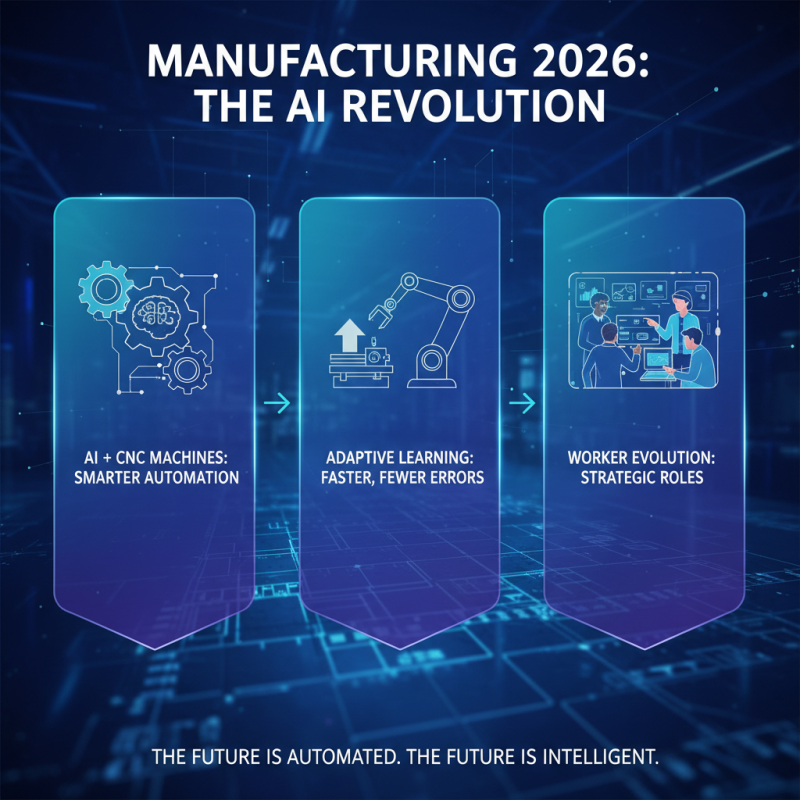
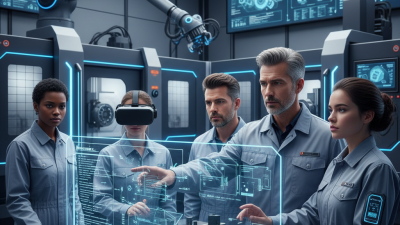
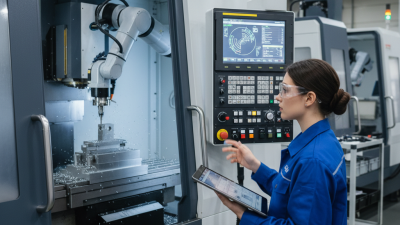
In 2026, the integration of AI into CNC machines is set to revolutionize manufacturing. Automation will take center stage. Machines will learn from their environments, adapting on the fly. This means faster production times and reduced errors. Workers will shift from routine tasks to more strategic roles.
Tips: Embrace AI-driven systems. They enhance precision and efficiency. Training is vital. Educate your team on new technologies. It can smoothen transitions and avoid setbacks.
Imagine CNC machines that predict maintenance needs. They will save manufacturers time and money. This predictive capability adds a layer of reliability. Yet, the reliance on AI might lead to overconfidence. It’s crucial to maintain human oversight to catch potential flaws.
Automation isn't perfect. There will be challenges, like compatibility issues and cybersecurity risks. Monitoring systems and data is essential. Regular audits can identify weaknesses and improve security.
Tips: Review your processes regularly. Don't let complacency set in. The goal is not just speed, but quality and safety. Always prioritize human judgment alongside machine efficiency.
Sustainability Trends in 3D CNC Machining: Eco-Friendly Practices
Sustainability is a growing focus in the 3D CNC machining industry. Eco-friendly practices are essential for future development. Many companies are adopting renewable energy sources. Using solar power or wind energy can significantly reduce carbon footprints. This shift not only benefits the environment but also lowers operating costs.
Tip: Consider optimizing your designs for material efficiency. This can minimize waste during production. Less waste means less resource consumption. Also, look into biodegradable materials. These can be great alternatives for traditional plastics.
Another trend is the use of recycling processes. Reusing materials reduces the need for virgin resources. However, not all materials are easy to recycle. Companies must evaluate this approach carefully.
Tip: Implement a regular audit of your materials. This can help identify what can be recycled. It’s a simple step toward a more sustainable operation. Remember, every small effort counts.
2026 Top 3D CNC Machine Trends and Innovations to Watch
| Trend/Innovation |
Description |
Expected Impact |
Sustainability Benefits |
| Biodegradable Materials |
Utilization of materials that break down naturally. |
Reduced waste and environmental footprint. |
Lower pollution levels during disposal. |
| Energy Efficiency Enhancements |
Improvements in machine energy consumption. |
Cost savings and reduced energy demands. |
Lower carbon emissions from reduced energy use. |
| Closed-Loop Recycling |
Recycling of waste material back into production. |
Minimized raw material costs and waste. |
Conservation of resources and energy. |
| Smart Manufacturing Integration |
Use of IoT and automation in CNC machining. |
Increased precision and efficiency in production. |
Enhanced resource management and reduced waste. |
| Additive Manufacturing Techniques |
Advanced 3D printing methods in CNC processes. |
Customization and minimized material use. |
Reduction in material waste during production. |
Innovations in Software for Enhanced CNC Machine Performance
Innovations in software are transforming CNC machine performance. Advanced algorithms enhance precision and efficiency. These innovations allow for a new era of automated manufacturing. By integrating AI, machines can learn from previous cuts and improve over time. This adaptability is essential for meeting diverse production needs.
More manufacturers are adopting cloud-based software solutions. These platforms offer real-time monitoring and diagnostics. Users can track machine performance remotely, reducing downtime. Yet, not all facilities are equipped for these advanced systems. Some teams may struggle with the learning curve, hindering productivity.
Tips: Regular training sessions can help staff adapt to new software. Encourage open discussions about challenges faced with the technology. This fosters a culture of continuous improvement. Embracing feedback loops can also lead to more effective use of these innovations. By refining processes, companies can maximize their CNC capabilities while minimizing errors.
Future Applications of 3D CNC Technology Across Industries
As industries evolve, 3D CNC technology continues to transform manufacturing processes. In 2026, advancements in this field will see broader applications across various sectors. For instance, the aerospace industry is increasingly adopting 3D CNC machines for creating complex components. According to a recent report, the global 3D printing aerospace market is projected to grow by over 23% annually. This rapid growth highlights a shift towards more customized and lightweight designs.
In the medical field, 3D CNC machining enables precise production of implants and prosthetics. A study shows that 75% of healthcare providers are prioritizing this technology by 2025. This increase means more personalized treatments for patients. Yet, the technology's integration into healthcare raises concerns about consistency and quality control. Addressing these challenges will be crucial as the industry moves forward.
Tip: Always prioritize quality assurance in production. Implement feedback loops to refine processes and avoid mistakes. Do not underestimate the importance of testing prototypes before mass production. Another tip is to stay updated on emerging trends. Being informed can lead to enhanced creativity and better problem-solving approaches. As industries adopt 3D CNC technology, the need for adaptability will become essential.