Top 5 Advanced Manufacturing Trends to Watch in 2026?
As we look ahead to 2026, the landscape of advanced manufacturing reveals intriguing trends. Experts like Dr. Emily Carter, a prominent figure in this field, emphasize, “The future of advanced manufacturing hinges on innovation and sustainability.” Understanding these trends is crucial for businesses aiming to thrive in a rapidly evolving market.
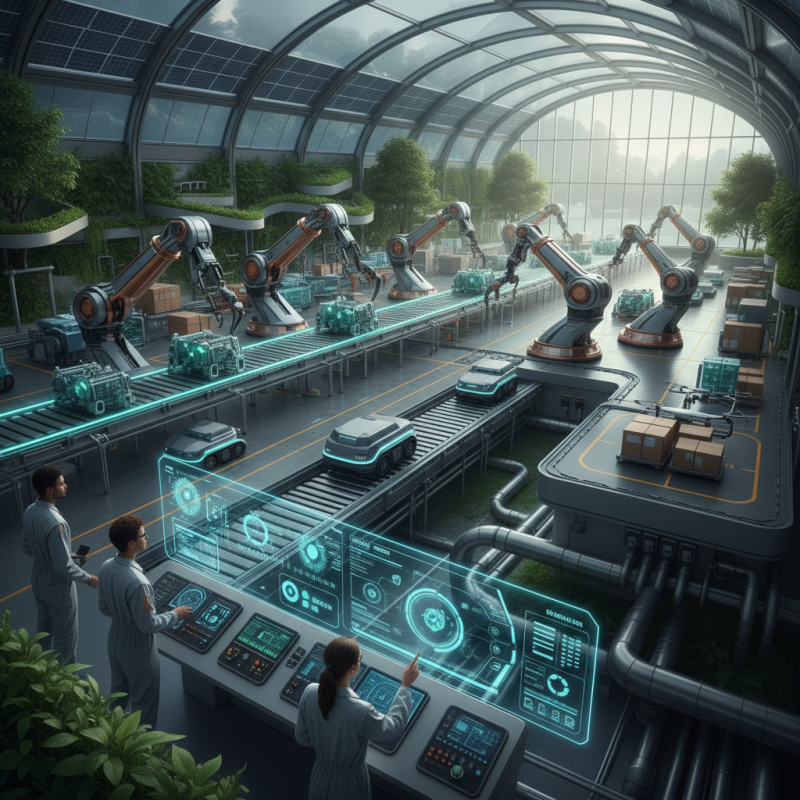
Technological advancements will reshape production processes. Automation and AI integration are expected to accelerate productivity. Factories of the future may leverage robotics for efficiency. However, not all companies are prepared for this shift. Many struggle to adopt new technologies. This can create a gap between innovators and traditional manufacturers.
Sustainability is also becoming essential. Companies are actively seeking eco-friendly materials and processes. This trend reflects consumer demand for responsible manufacturing. Yet, some organizations may find it challenging to meet these expectations. As we navigate the complexities of advanced manufacturing, staying informed and adaptable is vital for success.
Emerging Technologies Driving Advanced Manufacturing in 2026
As we look forward to 2026, advanced manufacturing will increasingly rely on emerging technologies. Artificial intelligence (AI) is set to play a pivotal role. With its ability to analyze data quickly, AI enhances decision-making processes. Predictive maintenance will become commonplace, helping reduce downtime and improve efficiency.
The Internet of Things (IoT) will connect machines like never before. Sensors and smart devices will collect real-time data. This data can reveal patterns and inefficiencies within production lines. However, the sheer volume of data can be overwhelming. Companies must find effective ways to analyze and utilize this information.
Additive manufacturing, or 3D printing, will also evolve. It allows for rapid prototyping and reduced material waste. This technology promotes customization in production, meeting consumer demands efficiently. Nonetheless, the challenge lies in sustainability and energy consumption in production processes. These are areas requiring further exploration and improvement.
Top 5 Advanced Manufacturing Trends to Watch in 2026
| Trend |
Description |
Impact |
Key Technologies |
| Artificial Intelligence |
Integration of AI for predictive maintenance and quality assurance. |
Increases efficiency and reduces downtime. |
Machine Learning, Neural Networks |
| Additive Manufacturing |
Utilization of 3D printing for complex part designs. |
Reduces material waste and enhances customization. |
3D Printing Technologies, Advanced Materials |
| Internet of Things (IoT) |
Networked devices collecting data for real-time monitoring. |
Improves decision-making and operational efficiency. |
Smart Sensors, Connectivity Technology |
| Digital Twin Technology |
Creating digital replicas of physical systems for simulation. |
Facilitates testing and optimization before physical implementation. |
Simulation Software, Data Analytics |
| Sustainable Manufacturing |
Adoption of eco-friendly processes and materials. |
Reduces environmental impact and enhances brand image. |
Renewable Energy, Circular Economy Practices |
Sustainability Practices Shaping the Future of Manufacturing
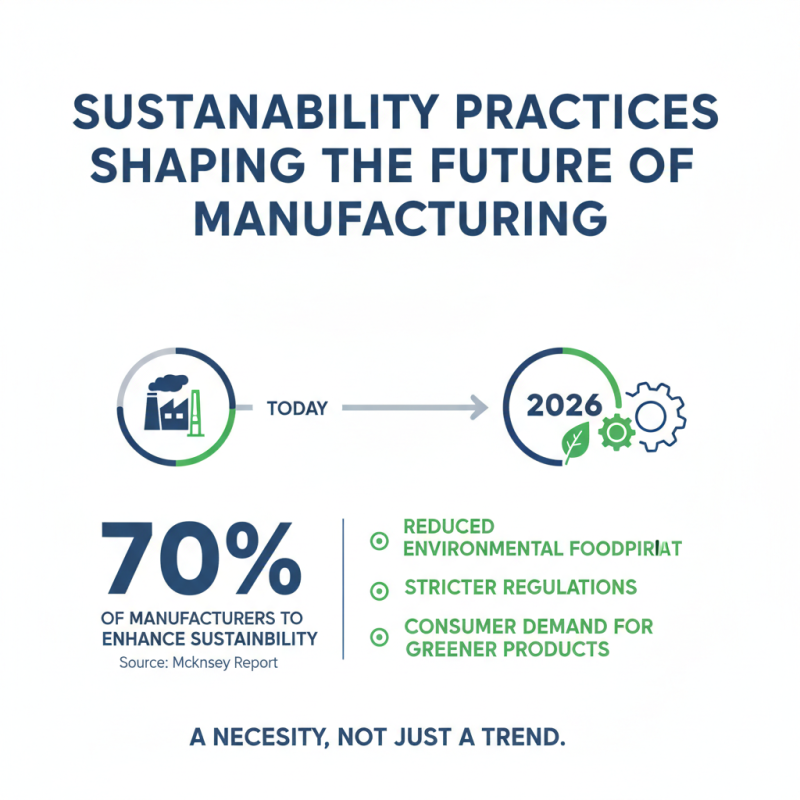
The future of manufacturing is increasingly being shaped by sustainability practices. In 2026, companies will focus more on reducing their environmental footprint. According to a report by McKinsey, up to 70% of manufacturers are set to enhance sustainability measures. This shift is not just a trend but a necessity driven by stricter regulations and consumer demand for greener products.
Implementing energy-efficient technologies can significantly lower costs. For instance, research shows that companies adopting renewable energy sources have seen savings of up to 25%. They are also improving their reputations by committing to sustainable practices. Investing in eco-friendly materials might be pricey initially, but it leads to substantial long-term gains.
Tips: Start by conducting a sustainability audit. Identify areas for improvement and set clear goals. Collaborate with suppliers who prioritize sustainability. This will enhance your supply chain and contribute to a healthier planet. Be prepared for ongoing adjustments. Reflecting on your progress is key. Continuous improvement should guide your sustainability journey. Ultimately, balancing profitability and environmental responsibility is crucial for future success.
The Role of Automation and AI in Advanced Manufacturing Processes
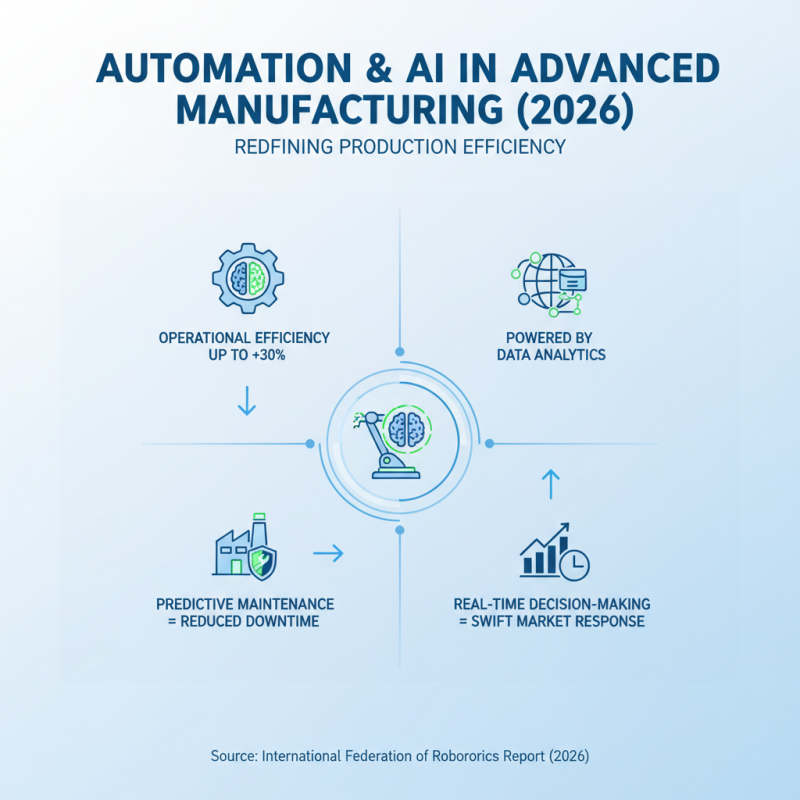
In 2026, automation and artificial intelligence (AI) will redefine advanced manufacturing. The integration of these technologies is projected to increase operational efficiency by up to 30%, according to a recent report by the International Federation of Robotics. Factories will leverage AI for predictive maintenance, reducing downtime and losses. Data analytics will enable real-time decision-making, allowing manufacturers to respond swiftly to market demands.
AI algorithms can optimize production schedules. This enhances throughput while minimizing waste. However, reliance on these systems brings challenges. For instance, there's potential for data breaches or system failures. Workers may feel threatened as automation grows. It's essential to foster a culture where human skills complement AI capabilities. According to McKinsey, companies that combine human talent with AI see improved productivity.
Tips: Invest in training for employees to adapt to new technologies. Emphasize collaboration between humans and machines. Regularly evaluate the performance of AI tools to ensure they meet production goals. Continuous improvement is crucial in this evolving landscape. Understanding these trends will help businesses harness the full potential of automation and AI in advanced manufacturing.
Supply Chain Innovations Transforming the Manufacturing Sector
The manufacturing sector is undergoing significant transformation due to supply chain innovations. A 2023 report by McKinsey highlights that 83% of companies are leveraging digital technologies to enhance their operations. This shift towards automation is enabling businesses to improve efficiency and reduce lead times. However, these changes bring challenges, especially for smaller manufacturers struggling to integrate new technologies.
Additionally, recent statistics from the World Economic Forum indicate that 70% of manufacturers plan to adopt advanced analytics by 2026. This trend showcases the industry's focus on real-time data utilization for decision-making. As companies aim for greater responsiveness, they also face potential data security issues. Integrating advanced technologies without robust cybersecurity measures may expose manufacturers to significant risks.
The evolution of supply chains is also evident in sustainable practices. According to Deloitte, 55% of manufacturers are prioritizing sustainability in their supply chain management. However, this shift is not without obstacles. Balancing sustainability goals with cost-effectiveness requires continuous reassessment. Therefore, while innovations promise major benefits, careful planning and adaptability remain critical for success in the evolving manufacturing landscape.
Top 5 Advanced Manufacturing Trends to Watch in 2026
Workforce Development Trends for the Manufacturing Industry in 2026
In 2026, the manufacturing industry faces significant workforce challenges. With rapid technological advancements, skilled labor shortages may become more acute. Companies must adapt quickly to new tools and techniques while ensuring employees receive adequate training. Some workers may feel overwhelmed by technological changes, leading to resistance to learning new skills. This situation necessitates a balanced approach to workforce development.
Training programs must evolve to meet the demands of modern manufacturing. On-the-job training blended with online courses can help bridge the skills gap. Programs that emphasize hands-on learning often yield better results. Mentorship also plays a vital role, fostering a culture of continuous learning. However, over-reliance on technology could alienate some employees, highlighting the need for a human-centered approach in training.
Diversity and inclusion initiatives will also reshape the workforce landscape. A diverse team can drive innovation and improve problem-solving. Yet, organizations must ensure that their policies are not just box-checking exercises. Fostering a diverse culture requires ongoing commitment and reflection. Manufacturing companies need to carefully assess both their workforce strategies and the impact of emerging trends. Only then can they create a resilient workforce ready to face future challenges.