Best CNC Machinist Skills for Success in 2026?
The landscape for CNC machinists is evolving rapidly. As we look ahead to 2026, the demand for skilled CNC machinists is projected to grow significantly. According to a report by the Bureau of Labor Statistics, CNC machinist jobs are expected to increase by 10% over the next five years. This growth reflects advancements in manufacturing techniques and technologies.
Expert insight from John Smith, a recognized industry specialist, highlights the challenges ahead. He states, "CNC machinists need to embrace new technologies to stay relevant." Skills in programming, operating advanced machinery, and understanding automation will be critical. However, many machinists still lack formal training in these areas.
Continuous learning is essential. The gap between current skills and future needs can be daunting. As CNC machinists prepare for these changes, they must seek opportunities for upskilling. With the right competencies, the future can be bright, but complacency could lead to missed opportunities. Therefore, a proactive approach is necessary for success in the coming years.

Key Technical Skills Needed for CNC Machinists in 2026
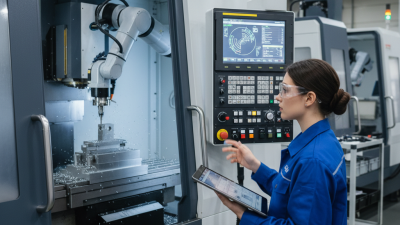
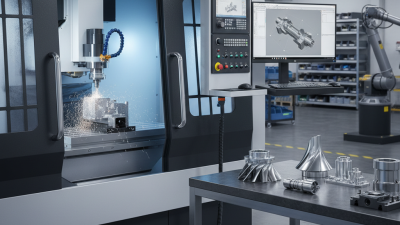
In 2026, CNC machinists will need a unique set of skills to thrive in the evolving landscape. Technical proficiency remains essential. Understanding CNC programming languages, such as G-code, is crucial. This language allows machinists to control machinery with precision. Familiarity with CAD/CAM software is equally important. It enables operators to design parts and optimize production processes efficiently.
Tips: Practice your programming skills regularly. Join online forums for support. These resources can enhance your learning experience greatly.
Another key skill is problem-solving. CNC work can be unpredictable. A machinist must analyze issues in real-time. This may involve troubleshooting mechanical faults or adjusting machine settings. Strong analytical abilities will help in finding quick solutions.
Tips: Keep a detailed log of issues and solutions. Reflecting on past experiences aids in future problem-solving.
Collaboration is also vital. As machines become more complex, teamwork with engineers becomes necessary. Understanding the design intent and manufacturing processes fosters a smoother workflow.
Tips: Take the time to communicate openly with colleagues. Effective collaboration leads to better outcomes in your projects. Emphasizing these skills will be crucial for success in the future CNC environment.
Important Software and Programming Knowledge for CNC Machinists
The role of a CNC machinist is evolving rapidly. Software and programming knowledge is crucial for success. As technology advances, machinists must be adept in various software platforms. According to a recent industry report, about 70% of machining jobs now require proficiency in advanced CNC programming languages. This trend will likely intensify by 2026.
Tips: Stay updated on software trends. Invest time in learning programming languages like G-code and M-code, as they form the backbone of CNC operation. Understanding CAD/CAM software can greatly enhance your capabilities.
While traditional machining skills remain important, adapting to new technologies is vital. A significant portion of the workforce is still uncomfortable with automation tools. In fact, a survey revealed that 40% of CNC machinists feel unprepared for high-level programming tasks. Addressing this skills gap will be essential for staying competitive.
Tips: Regularly engage in training sessions. Practice using simulation software to boost your confidence. Networking with peers can also provide valuable insights into best practices and emerging technologies. The future of CNC machining will require continuous learning and adaptability. Keep pushing your limits.
Emerging Technologies and Trends Impacting CNC Machining Skills
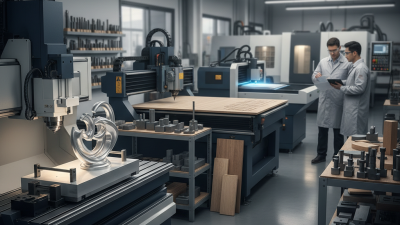
Emerging technologies are reshaping CNC machining skills for the future. As automation gains traction, operators must adapt quickly. Understanding robotics will be vital. Machines are becoming smarter and more efficient. This change demands that machinists learn to program and maintain robotic systems. Keeping up is crucial.
Another trend is the rise of additive manufacturing. 3D printing technology is altering traditional machining processes. Competence in these new techniques will differentiate skilled machinists from the rest. Embrace materials that complement CNC machining. The ability to work with diverse materials enhances your versatility in the industry.
Tip: Invest time in online courses that cover emerging technologies. Building a strong foundation in CAD/CAM software is essential. Weak software skills can hinder your progress. Regularly practicing these skills will increase your confidence and adaptability. Networking with industry professionals can also provide valuable insights into skill requirements for the future.
Focus Areas for Continuous Learning and Development in CNC Machining
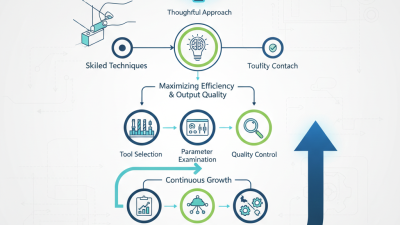
The CNC machining industry is evolving rapidly. As technology advances, machinists must upskill continuously. A report by the National Institute for Metalworking Skills emphasizes that 47% of employers seek workers with advanced digital skills. This highlights the need for CNC professionals to embrace digital tools. Understanding software interfaces and automation is crucial.
Another area to focus on is quality control. A study from the Precision Metalforming Association found that companies seeing a 15% improvement in quality also reported higher employee training investments. This demonstrates the link between skills development and product precision. Machinists must learn to use advanced measurement tools and understand statistical process control.
Additionally, soft skills are becoming vital. Communication and teamwork are necessary on the shop floor. With 65% of employers noting that poor communication impacts efficiency, machinists need to refine these skills. Continuous learning means reflecting on personal strengths and weaknesses. Emphasizing collaborative efforts will promote a stronger workplace culture. Balancing technical and interpersonal skills is key to thriving in 2026's competitive landscape.
Best CNC Machinist Skills for Success in 2026