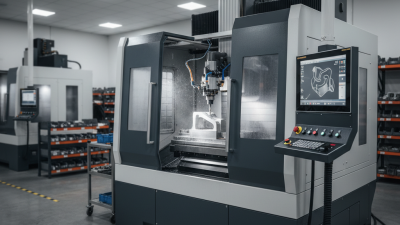
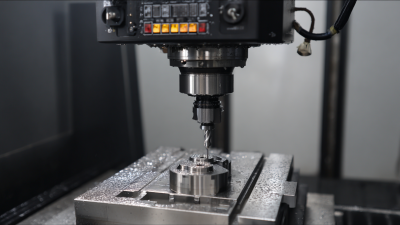
What is the Best Machining Center for Your Manufacturing Needs?
In the world of manufacturing, choosing the right machining center is critical. John Smith, a renowned expert in advanced manufacturing technologies, states, "Selecting the right machining center can make or break your production efficiency." This statement highlights the importance of matching a machining center to specific business needs.
Understanding the unique requirements of your production line is essential. For small-scale operations, a compact machining center may suffice. However, larger manufacturers often need robust, versatile models capable of handling intricate tasks. Each choice carries implications for cost, efficiency, and output quality.
Navigating the options can feel overwhelming. Features such as spindle speed, tool capacity, and automation capabilities create complexity. Moreover, advancements in technology introduce new models regularly, adding to the confusion. Manufacturers should reflect on their operations, evaluating current challenges before making a decision. Balancing technical specifications with real-world performance is crucial for success in today's competitive landscape.
Understanding the Types of Machining Centers Available in the Market
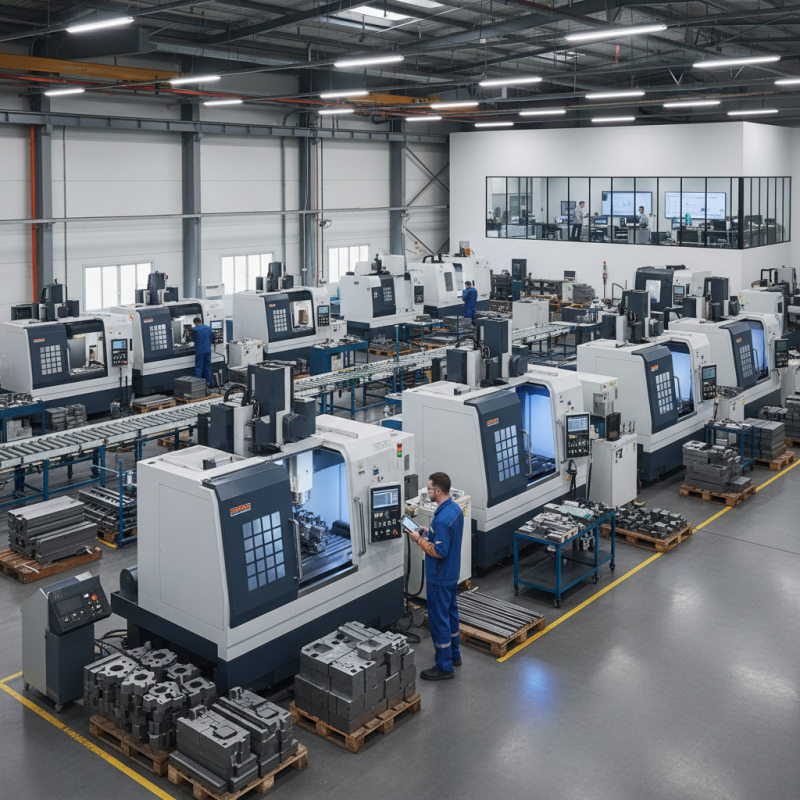
When selecting a machining center, understanding the various types available is crucial. The market offers vertical machining centers (VMCs), horizontal machining centers (HMCs), and multi-tasking machines. VMCs are favored for their versatility and space efficiency, while HMCs excel in heavy-duty work and higher volume production. According to a report by Market Research Future, the global machining center market is expected to grow at a CAGR of 6.5% from 2022 to 2028.
Vertical machining centers are typically less expensive and easier to use. They are suitable for smaller parts and complex geometries. In contrast, horizontal machining centers provide superior chip removal and tooling options, ideal for bulk production. Multi-tasking machines combine turning, milling, and sometimes even grinding in one setup, reducing the need for multiple machines.
Tip: Assess your production requirements and floor space before making a choice. If you expect to handle a variety of parts, a VMC might be better. But, for high-volume operations, consider an HMC.
Always remember the importance of machine precision and reliability. An unsteady machine can lead to costly downtime. Look for performance reviews and quality certifications. Connecting with industry experts or a trusted consultant can also provide valuable insights tailored to your specific needs.
Machining Center Types and Their Popularity
Key Factors to Consider When Selecting a Machining Center for Production
Selecting the right machining center for production is a critical decision. Many factors can impact your choice. Understanding these can enhance manufacturing efficiency.
Consider the type of materials you will be working with. Different machining centers excel with various substances. Metals, plastics, and composites each have unique requirements. Speed is also crucial. A faster machining center can significantly reduce production time. Yet, this may lead to higher costs.
Another key factor is the size and complexity of the parts you'll produce. Larger components may need more space and specific capabilities. Do you require 3-axis or 5-axis machining? This decision could affect precision and versatility. Reflect on your current and future needs. Will your machining center adapt as your projects evolve? Balancing immediate requirements with long-term goals is essential.
Evaluating Machining Center Specifications: Speed, Precision, and Size
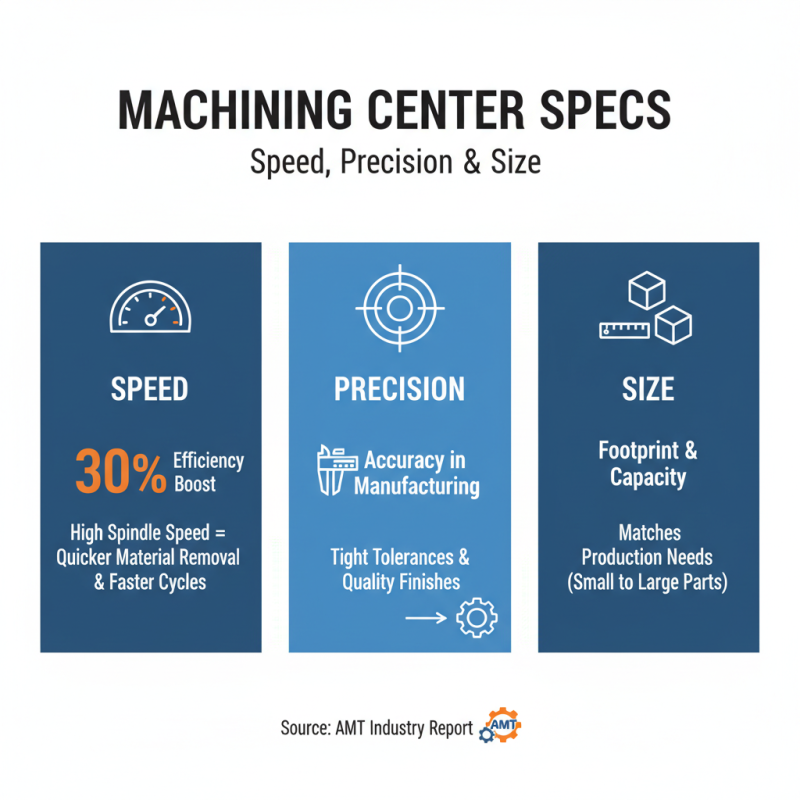
When choosing a machining center, speed, precision, and size play crucial roles. According to a recent industry report from the Association for Manufacturing Technology, machining centers that operate at high spindle speeds can improve efficiency by up to 30%. This is essential for manufacturers aiming for rapid production cycles. High-speed machining allows for quicker material removal rates, leading to increased output.
Precision is another key factor. Studies show that machines capable of maintaining tolerances within 0.0001 inches significantly reduce rework rates. For high-stakes industries, such as aerospace and medical device manufacturing, this level of precision is non-negotiable. Additionally, the size of the machining center should align with the scale of production. A report found that many manufacturers underestimated the floor space needed for larger machines, leading to operational inefficiencies.
While speed and precision are critical, they also come with trade-offs. High-speed options may generate more heat and wear. This can lead to faster tool degradation and increased maintenance costs. Manufacturers must balance these aspects with overall operational costs and long-term sustainability. Thus, understanding the specific requirements of your production process is essential for making an informed decision.
Industry Trends: The Rise of Vertical vs. Horizontal Machining Centers
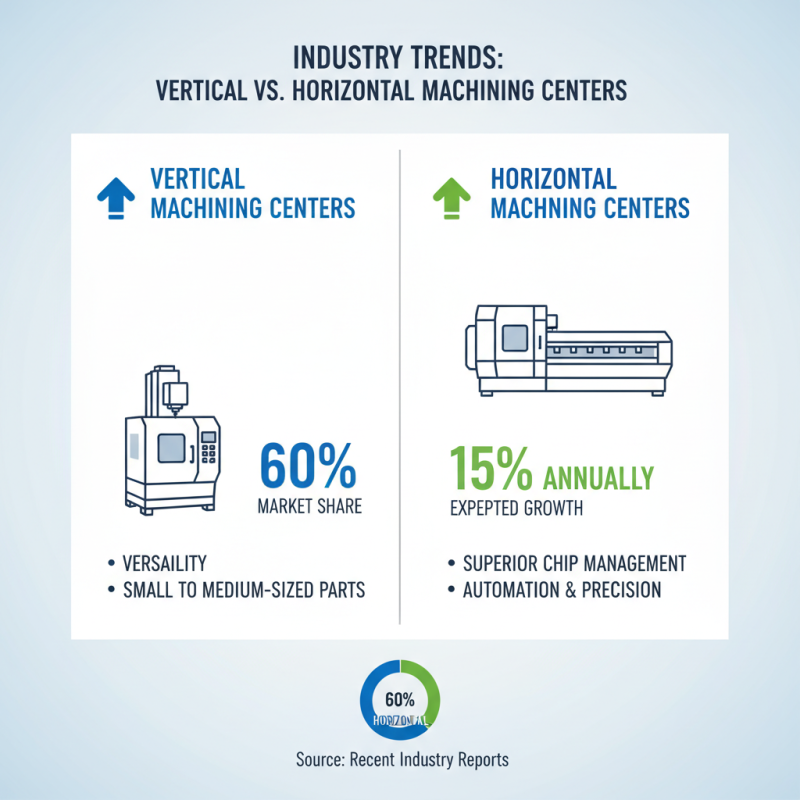
The choice between vertical and horizontal machining centers is critical for manufacturing efficiency. Recent industry reports indicate that vertical machining centers dominate the market, occupying about 60% of the segment. Their versatility allows for a wide range of applications, making them ideal for small to medium-sized parts. However, horizontal machining centers, known for their superior chip management and automation capabilities, are gaining traction. Demand for these machines is expected to grow by 15% annually as manufacturers seek precision and efficiency.
When considering a machining center, reflect on your specific needs. Horizontal centers excel in high-volume production with complex parts. They reduce setup time and enhance productivity. Yet, vertical centers offer easier access for part inspection and setup. Tips: Evaluate your production volume and complexity. Sometimes, less is more; a simpler vertical center might meet your needs better than a complex horizontal machine.
Think about the future. Industry trends show a shift towards smart machining solutions, integrating IoT and AI capabilities. This innovation boosts operational efficiency and provides real-time monitoring. Tips: Research the latest technology trends, as they could significantly impact your choice. Consider scalability for future growth and evolving manufacturing demands.
Cost Analysis: Balancing Investment and ROI in Machining Center Selection
When selecting a machining center, it’s vital to conduct a thorough cost analysis. This approach allows manufacturers to assess both the initial investment and potential return on investment (ROI). According to a report by the Association for Manufacturing Technology, a well-chosen machining center can improve productivity by up to 30%. This factor significantly impacts the overall cost-effectiveness of manufacturing operations.
Investing in high-quality machining centers may seem daunting. However, studies show that the average ROI for advanced machining technology can reach 25-35% over five years. This figure highlights the importance of considering not just the purchase price but also the long-term value and efficiency gains.
It's essential to evaluate how the machine will fit into existing workflows and whether it will require additional training or adjustments.
Many manufacturers underestimate the ongoing costs. Maintenance, tooling, and downtime can erode savings. It’s critical to gather all data. Reflect on whether the chosen machine meets current and future needs. Balancing upfront costs with long-term gains demands careful thought and analysis for success in today's competitive landscape.