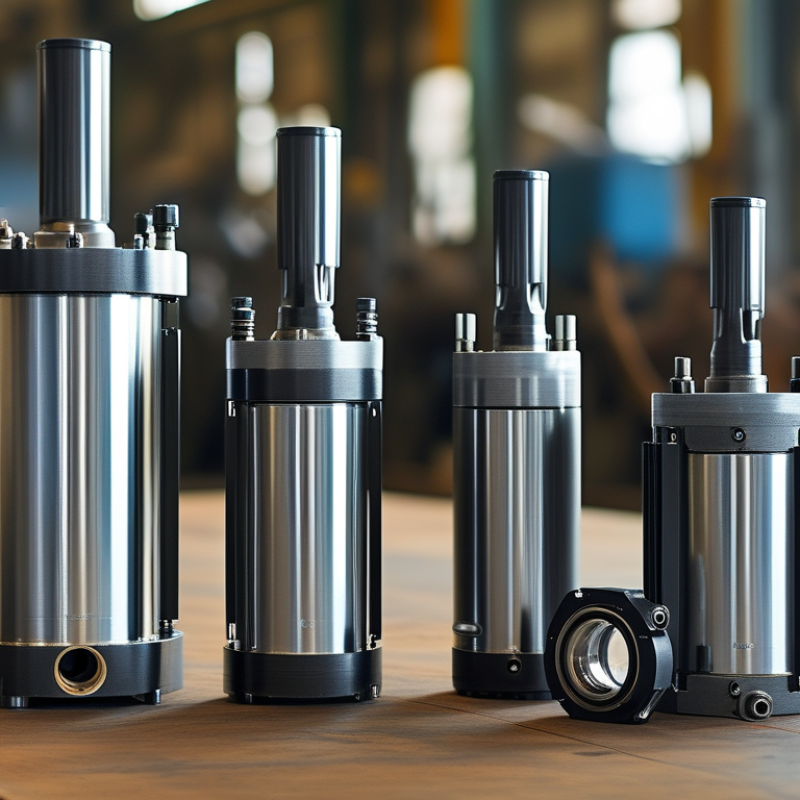
How to Choose the Right Air Cylinders for Pneumatic Systems?
Choosing the right air cylinders for pneumatic systems is crucial. Proper selection can enhance performance and efficiency. According to a report by the National Fluid Power Association, nearly 70% of industrial processes rely on pneumatic systems, making air cylinders a key component.
air cylinders pneumatic play a significant role in various applications. Their design influences automation and production rates. However, sourcing the correct type requires in-depth knowledge. Factors like stroke length, cylinder bore, and pressure ratings must align with specific tasks.
A miscalculation could lead to inefficient operations. Suboptimal choices may result in increased maintenance costs and downtime. Industry standards stress the importance of matching specifications to operational demands. This ensures maximum reliability and effectiveness in pneumatic systems.
Understanding the Basics of Air Cylinders in Pneumatic Systems
Air cylinders are vital components in pneumatic systems. They convert compressed air into mechanical energy, facilitating movement in various industrial applications. Understanding how these cylinders work is crucial. Typically, they feature a piston that moves within a cylindrical chamber. The air pressure creates motion, allowing systems to perform tasks like lifting, pushing, or clamping.
When choosing an air cylinder, consider the type of application. For instance, a double-acting cylinder can pull and push, while a single-acting cylinder only performs one function. According to industry reports, over 70% of pneumatic systems utilize double-acting cylinders due to their versatility. It's also essential to evaluate the operating pressure and speed requirements, as these factors heavily influence performance.
Tips: Always match the cylinder size to the load. An oversized cylinder can lead to inefficiency and increased costs. Regular maintenance is necessary to ensure reliability. Even the best designs can fail without proper upkeep. Consider your environment; high temperatures can affect cylinder performance. Balancing these aspects can lead to optimized operation and increased lifespan of air cylinders.
Identifying the Key Requirements for Your Pneumatic Application
Choosing the right air cylinders for pneumatic systems starts with understanding your application's specific needs. Key requirements include the cylinder's force output, stroke length, and mounting options. Examine the load that the cylinder must move. Is it heavy or light? Knowing this helps you determine the force necessary.
Keep in mind that the environment plays a crucial role. Will the cylinders be exposed to dust, moisture, or chemicals? Such factors affect the materials and seals you should select. Understanding the available space is equally important. A large cylinder won’t fit in a compact area. Take measurements accurately.
Another issue is responsiveness. Some applications need fast movements, while others require precision. Balancing speed and control is essential. Lastly, consult with experts or refer to industry standards. Yet, do not solely rely on advice; conduct real-world tests if possible. This hands-on approach can reveal unforeseen challenges.
Evaluating Different Types of Air Cylinders Available on the Market
When evaluating air cylinders for pneumatic systems, consider the variety available. The most common types include double-acting, single-acting, and rack-and-pinion cylinders. Each type has specific applications. Double-acting cylinders provide power in both directions, making them ideal for versatile tasks. In contrast, single-acting cylinders are more straightforward but often limited in functionality.
Pneumatic systems also require attention to size and stroke length. A cylinder must fit the space available while delivering the necessary force. Oversized cylinders can be underutilized, leading to inefficient operation. Additionally, stroke length impacts the system's ability to perform tasks effectively. It’s essential to evaluate these factors thoroughly before making a selection.
Material choice affects reliability as well. Cylinders can be constructed from aluminum, stainless steel, or composite materials. Each has advantages and disadvantages. Aluminum is lightweight, making it easier to install but may lack corrosion resistance. Stainless steel offers durability but can be heavier. It’s important to reflect on the environment where the cylinder will operate to choose wisely. Understanding these details is crucial for reliable pneumatic system performance.
Considering Size, Stroke Length, and Force Requirements
Choosing the right air cylinders for pneumatic systems involves careful consideration of size, stroke length, and force requirements. Size is crucial; it must fit within the designated space without compromising performance. For instance, a cylinder that is too large will obstruct surrounding components. On the other hand, one that is too small may not deliver the necessary force, leading to inefficiency.
Stroke length affects the movement range of the cylinder. It should match the application’s demands. An excessively long stroke can introduce unnecessary complexity and cost. Conversely, a short stroke may limit functionality. It's essential to assess the work being done. Many times, people overlook these details, leading to mismatched components that could disrupt operations.
Force requirements determine how much load the cylinder can lift or push. Miscalculating this can result in underperformance or breakdowns. Operators should analyze the specific tasks and select cylinders that provide sufficient force. This may involve trials and adjustments. Reflecting on past choices can help refine the decision-making process for future applications.
Assessing Installation and Maintenance Considerations for Air Cylinders
When assessing installation and maintenance considerations for air cylinders, it’s crucial to evaluate the environment. Factors like temperature, humidity, and exposure to contaminants can impact cylinder performance. Ensure your selected air cylinder can withstand these conditions. Proper enclosure and protective covers can mitigate risks.
Installation also requires attention to alignment and mounting. Misalignment can lead to premature wear and performance issues. Regular checks on mounting bolts and seals will help maintain cylinder integrity. Maintenance should be proactive, not reactive. Air filters must be inspected and replaced periodically to avoid system failures.
Documentation often gets overlooked but is vital. Keeping detailed records of installations, maintenance schedules, and repairs can provide insights into cylinder performance trends over time. Tracking these details aids in identifying patterns or issues that may arise, enhancing your system's reliability. Engaging with operational data is essential for continuous improvement.
How to Choose the Right Air Cylinders for Pneumatic Systems?
| Dimension | Consideration | Example Values | Maintenance Frequency |
| Bore Size | Force Requirement | 25 mm, 50 mm, 100 mm | Annually |
| Stroke Length | Application Needs | 50 mm, 100 mm, 200 mm | Semi-Annually |
| Operating Pressure | System Compatibility | 1 bar - 10 bar | Quarterly |
| Mounting Style | Space Constraints | Foot, Flange, Rod | As Needed |
| Seal Type | Environment Suitability | Nitrile, Viton | Annually |