How to Choose the Best Coating Lamination Machine?
Choosing the best Coating Lamination Machine is crucial for industries aiming to enhance product quality. The global lamination machinery market is expected to reach $1.5 billion by 2025, according to recent industry analysis. This staggering figure highlights the importance of investing in high-quality equipment that meets specific operational needs.
A Coating Lamination Machine not only improves surface durability but also boosts aesthetics. Many manufacturers report that high-quality lamination increases product lifespan by up to 30%. However, selecting the right machine can be overwhelming. Various factors influence this choice, including machine type, production speed, and laminating materials.
When considering options, businesses must reflect on their unique requirements. Many machines offer advanced features yet come with high price tags. This can lead to budget constraints. Balancing cost with quality is a common challenge many face. Additionally, understanding the technical specifications of different machines is vital for informed decision-making.
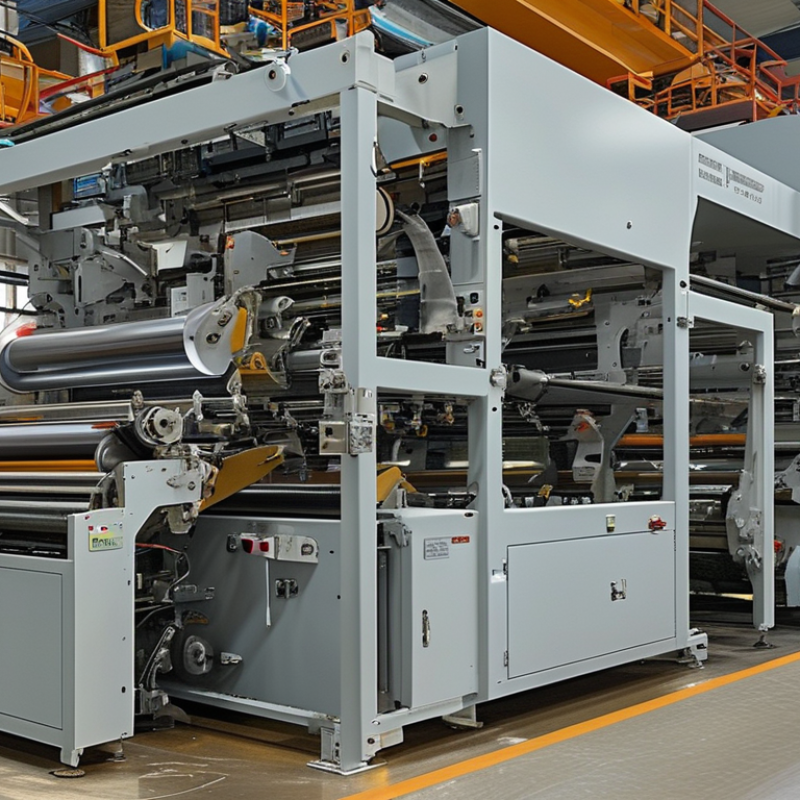
Key Factors to Consider When Selecting a Coating Lamination Machine
When selecting a coating lamination machine, several key factors come into play. Understanding your specific needs is essential. Consider the material types you will be working with. Different machines cater to various materials, from paper to plastics. Assessing the thickness and size of your products is equally crucial.
Efficiency is another critical factor. Look for machines that offer quick setup and changeover times. This can significantly impact your production rates. The machine's speed, capacity, and operational consistency are vital too. High-speed machines can enhance productivity but might require skilled operators to manage them effectively.
Maintenance should also influence your decision. Regular maintenance is necessary for optimal performance. Consider machines that provide easy access to parts for repairs. This can save time and reduce downtimes. Researching machine reliability through expert reviews can guide your choice.
Detailed testing of the machine is essential. Gather feedback from experienced users to evaluate performance and durability. Ask for demonstrations if possible. This hands-on approach may uncover imperfections you might not have considered. Remember, the right machine aligns with your production goals and quality requirements.
Understanding Various Coating Techniques and Their Applications
Coating techniques are crucial in various industries, especially in printing and packaging. Each technique serves specific needs and applications. For example, UV coating offers a high-gloss finish while ensuring durability. This process involves curing the coating with ultraviolet light, resulting in a strong and resistant surface. Reports indicate that around 40% of businesses prioritize UV coating for its efficiency and visual appeal.
Another popular coating method is aqueous coating. This technique uses water as a solvent, making it an environmentally friendly option. It's particularly effective for food packaging, where safety is paramount. A recent industry analysis projected a 25% increase in the adoption of aqueous coatings over the next five years. However, despite its advantages, aqueous coating may not provide the same level of shine as UV options.
It's essential to consider the specific requirements of your project when choosing a coating technique. Factors such as substrate compatibility and desired finish play significant roles. While UV coating excels in aesthetics and durability, it can be costlier. On the other hand, aqueous coatings may require multiple layers to achieve a similar finish. Understanding these nuances enables better decision-making, ensuring the best fit for your application needs.
Evaluating Machine Specifications: Speed, Size, and Efficiency Metrics
When selecting a lamination machine, several specifications should guide your decision. Speed is crucial, as it directly impacts productivity. Machines with higher speeds can handle more tasks in a shorter time. However, be mindful of the potential trade-off in quality. Rapid processing can sometimes lead to imperfections. Evaluating speed alongside quality is vital for optimal results.
Size is another essential aspect. A compact machine may fit well in a limited workspace but could sacrifice features. Larger machines often offer advanced functions but require ample space. Carefully consider your operational needs and floor space constraints.
Efficiency metrics play a significant role in long-term operational costs. Look for machines that offer energy-saving features. These can reduce electricity bills and minimize your carbon footprint. Additionally, machines with lower maintenance frequency can lead to cost savings over time. However, balancing efficiency with initial costs is necessary to ensure your investment is sound. Reflect on these factors, as they deeply influence the performance and reliability of your lamination process.
Comparing Coating Lamination Machine Specifications
Assessing Return on Investment: Cost-Benefit Analysis in Lamination
When evaluating the return on investment (ROI) of a lamination machine, cost-benefit analysis becomes crucial. An effective lamination machine can enhance productivity and improve product quality, leading to higher sales. Industry reports indicate that companies can see ROI within three years of purchasing a high-efficiency lamination machine, particularly when they experience at least a 15% increase in production.
The initial investment in a quality lamination machine can range from $10,000 to $100,000, depending on capabilities. While this might seem significant, the payback period shortens with increased market demand. When a business factors in reduced labor costs and material savings—up to 20%—the decision to invest becomes clearer. Furthermore, a properly chosen machine can minimize waste, which is critical in an environmentally conscious marketplace.
However, accuracy in assessing ROI can benefit from continual monitoring. Not every business realizes immediate gains. Some may find that, despite initial expectations, the machinery isn't meeting production targets. Regular reviews of machine performance and financial impact can lead to timely adjustments. Companies should ensure they are collecting accurate data to make informed decisions about their lamination needs and possible upgrades or enhancements in the future.
Industry Trends: Innovations in Coating Lamination Technology and Materials
In recent years, the coating lamination industry has witnessed significant advancements. Innovations in technology and materials are reshaping how manufacturers approach their products. Enhanced polymers and eco-friendly coatings are becoming industry standards. These developments not only improve performance but also reduce environmental impact.
Adapting to these trends can be overwhelming. It’s essential to stay informed about new materials. Regularly attending industry conferences can help you discover cutting-edge solutions. Networking with experts can provide valuable insights into the latest innovations. Explore options that prioritize sustainability without sacrificing quality.
When choosing a lamination machine, consider the specific needs of your production line. Evaluate the types of materials you intend to use. Understand that not every machine is suitable for every application. Conducting thorough research will help identify the right technology. Keep an eye on evolving trends to ensure your business remains competitive. Remember, adaptation is key in this fast-paced industry.
