Why Choose CNC Machines for Your Manufacturing Needs?
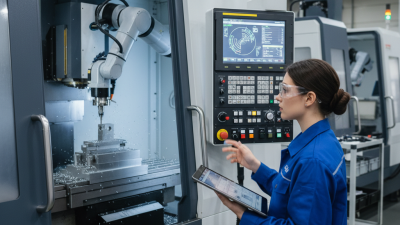
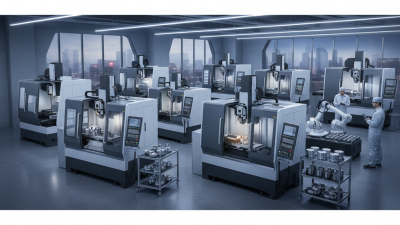
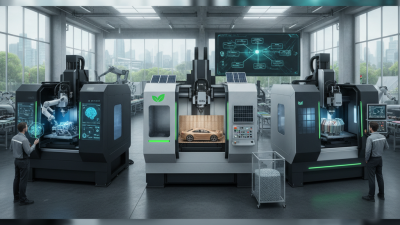
In today's competitive manufacturing environment, selecting the right equipment is crucial. One of the standout choices is the CNC machine. These machines help streamline production and improve accuracy, essential for meeting market demands. With their ability to automate processes, CNC machines reduce human error and enhance efficiency.
CNC machines stand out due to their versatility. They can handle various materials, from metal to plastic. This adaptability makes them ideal for different industries, such as automotive and aerospace. However, investing in a CNC machine requires careful consideration. Understanding your specific needs is important before making a decision.
While CNC machines offer numerous benefits, challenges exist. High initial costs and the need for skilled operators may deter some businesses. It's essential to weigh these factors against potential gains. Businesses must reflect on their unique situations when choosing CNC machinery. This decision can significantly impact production outcomes.
Key Advantages of CNC Machines in Modern Manufacturing
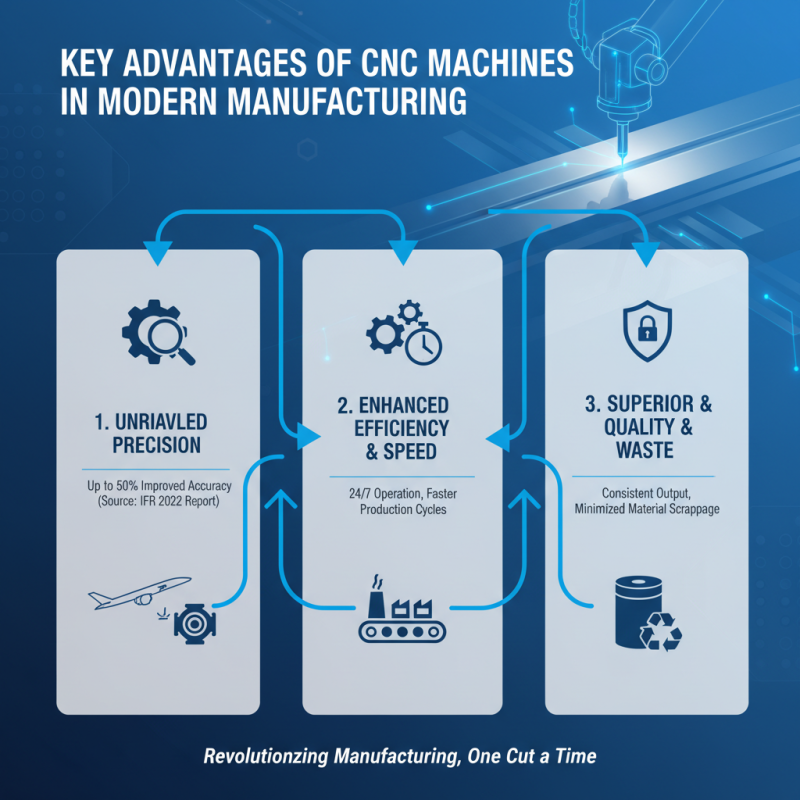
CNC machines have revolutionized modern manufacturing. The key advantages they offer are hard to overlook. These machines provide precision that traditional methods often cannot match. According to a 2022 report by the International Federation of Robotics, manufacturing using CNC machines can improve accuracy by up to 50%. This level of precision is crucial for industries like aerospace and automotive, where every detail matters.
Efficiency is another significant benefit. CNC machines can operate continuously, producing components much faster than manual methods. A survey from the Manufacturing Institute found that companies using CNC technology reduced production time by approximately 40%. This increase allows manufacturers to meet tight deadlines and customer demands effectively.
Tip: Regular maintenance checks are essential to keep CNC machines running smoothly. Neglecting routine servicing can lead to unexpected downtime. Additionally, training operators thoroughly on CNC programming can maximize the machines' potential. Remember, even with advanced technology, human oversight remains critical. Integrating high-tech machinery with skilled operators can lead to the best production outcomes.
Precision and Accuracy: The Impact of CNC Machining on Production Quality
CNC machining stands out for its precision and accuracy. This method uses computer technology to control manufacturing tools. As a result, products are often made to exact specifications. A slight error in traditional methods can lead to significant discrepancies. CNC minimizes these mistakes, ensuring tight tolerances.
The impact of CNC on production quality is profound. Parts produced through CNC are typically more reliable. For instance, in the aerospace industry, even minor flaws can have severe consequences. CNC machining helps maintain high standards, reducing the risk of failure. However, the reliance on technology also brings challenges. Skilled operators are essential to interpret the programming and oversee production. Without proper training, even CNC machines can produce subpar results.
When it comes to cost, CNC machining can be both a blessing and a burden. Initial setup costs may be high. Yet, once operational, these machines can streamline production, saving time and labor. Companies must assess whether the investment matches their production volume and needs. Balancing technology's benefits with potential pitfalls is a continuous journey in the manufacturing landscape.
Impact of CNC Machining on Production Quality
Efficiency and Speed: How CNC Technology Reduces Lead Times
CNC machines have transformed manufacturing by enhancing efficiency and speed. According to a 2022 report by the International Federation of Robotics, CNC technology can reduce lead times by up to 75%. This dramatic reduction allows businesses to respond quickly to market demands. For instance, a manufacturer may cut weeks from their production cycle, improving customer satisfaction.
The precision of CNC machines contributes to reducing material waste. A report from the National Association of Manufacturers indicates that companies adopting CNC technology often see a 30% decrease in scrap materials. This efficiency leads to cost savings that boost overall productivity.
Tips for implementing CNC technology: Start small with a pilot project to minimize risk. Train your staff to maximize the machine's capabilities. Regular maintenance can also help avoid downtime, which often hinders productivity. Remember, even a slight operational hiccup can lead to delays. Reflect on your current processes to identify areas for improvement. Continually adapting ensures your manufacturing remains competitive in a fast-paced market.
Why Choose CNC Machines for Your Manufacturing Needs? - Efficiency and Speed: How CNC Technology Reduces Lead Times
| Dimension |
CNC Machining |
Traditional Machining |
| Lead Time (Days) |
5 |
15 |
| Setup Time (Hours) |
2 |
8 |
| Material Wastage (%) |
5 |
15 |
| Number of Operations |
1 |
3 |
| Accuracy (mm) |
0.01 |
0.1 |
Cost Analysis: The Long-Term Savings of Implementing CNC Machines
CNC machines have become increasingly popular in manufacturing due to their efficiency and cost-effectiveness. A comprehensive study by the National Association of Manufacturers found that companies using CNC technology can save up to 30% on production costs over five years. This is largely attributed to reduced labor expenses and improved accuracy in production.
Operating costs can drop significantly. Traditional manufacturing often results in waste and errors, increasing costs. In contrast, CNC machines operate with high precision, minimizing material waste. According to a report from the International Journal of Advanced Manufacturing Technology, CNC machining can reduce material costs by up to 20%. This means less scrap metal and fewer resources wasted during production.
However, initial investment costs for CNC machines can be high. Companies may hesitate, fearing the upfront expense. Yet, studies indicate that the return on investment is typically realized within two years due to lower operational costs. This reflects the need for businesses to weigh the long-term savings against short-term financial outputs. Embracing CNC technology is a strategic decision that requires careful consideration but can lead to significant financial advantages in the long run.
Industry Trends: The Growing Adoption of CNC in Manufacturing Sectors
The adoption of CNC (Computer Numerical Control) machines in various manufacturing sectors is on the rise. According to a report by MarketsandMarkets, the global CNC machine market was valued at approximately $63 billion in 2020 and is expected to reach $100 billion by 2025. This trend reflects a shift towards automation and precision in manufacturing processes.
Manufacturers are increasingly drawn to CNC machines for their accuracy and efficiency. Industry research shows that CNC technology can increase production speed by up to 25%. Many companies cite reduced operational costs as a significant reason for the switch. However, transitioning to CNC isn’t always easy. Smaller businesses may struggle with the initial investment. They often face challenges in training staff to operate this advanced equipment effectively.
The demand for skilled technicians proficient in CNC operations is growing. The U.S. Bureau of Labor Statistics reports a projected job increase of 21% for machinists by 2029. Despite this positive trend, many manufacturers still grapple with finding qualified workers. This gap highlights a need for educational programs focused on CNC technologies. Companies must navigate these complexities to fully realize the benefits of CNC adoption.