Top 10 Skills Every CNC Machinist Should Master?
In the rapidly evolving world of manufacturing, CNC machinists play a pivotal role. Mastering essential skills is crucial for success in this competitive field. Renowned CNC machining expert, John Smith, once stated, "In today's tech-driven industry, adaptability and precision are what set great CNC machinists apart."
Being proficient in programming, operating, and maintaining CNC machines requires ongoing learning. Each day presents unique challenges that test a machinist’s problem-solving abilities. Understanding complex blueprints and specifications is fundamental. Often, CNC machinists must troubleshoot issues swiftly to keep production on track.
However, the journey is not without its flaws. Many machinists struggle with keeping abreast of the latest technologies. Continuous improvement is essential, yet time constraints can hinder skill development. Nonetheless, those who recognize these challenges often find themselves creating innovative solutions that enhance their craft. Mastery in this profession demands dedication and a willingness to embrace change.
Essential Technical Knowledge for CNC Machinists
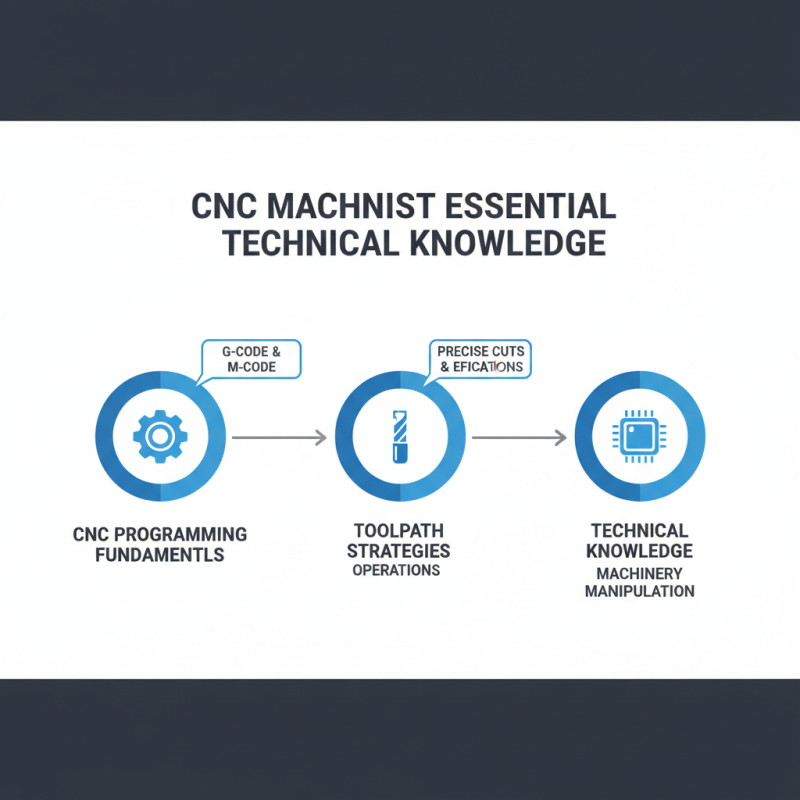
CNC machinists must possess essential technical knowledge to excel in their field. Understanding the fundamentals of CNC programming is crucial. Familiarity with G-code and M-code will allow machinists to manipulate machinery effectively. Mastering toolpath strategies is equally important. It ensures precise cuts and efficient operations.
Tips: Start with simple programs. Gradually take on more complex projects. Learn from mistakes; they often teach the most valuable lessons.
Another vital skill is interpreting blueprints and technical drawings. This ability allows machinists to visualize the end product and make accurate adjustments during production. Attention to detail is key here. A slight miscalculation can lead to costly errors.
Tips: Practice reading different types of drawings. Engage in discussions with experienced machinists. It helps to clarify doubts and improve your understanding.
Knowledge of machine maintenance is also essential. Regular upkeep prolongs the lifespan of equipment. Lack of maintenance can lead to breakdowns, impacting productivity. Troubleshooting skills can save time and prevent disruptions in the workflow.
Tips: Keep a maintenance log. Track issues and resolutions. This practice enhances problem-solving skills.
Understanding CNC Programming Languages and Software
CNC machinists must be proficient in various programming languages. Knowledge of these languages ensures that machinists can efficiently operate CNC machines. They often work with languages like G-code and M-code. Understanding these codes is crucial for machine setup and operation. Each code serves a specific function that controls machine actions.
Tips: Take time to practice coding.
Small errors can lead to significant issues in production. Familiarity with common errors in syntax can save time. Always seek feedback from peers on your code. Learning from mistakes can improve your programming skills.
Another vital aspect is software proficiency. CNC machines often integrate with software for design and simulation. Programs like CAD and CAM are frequently used. Knowing how to navigate these tools is essential. It enhances design accuracy and efficiency in production.
Tips: Experiment with various software tools. Each offers unique features that can aid in your work.
Regularly updating your software knowledge is crucial. The industry evolves, and so should your skills. Keeping a learning attitude can lead to better results in your projects.
Importance of Precision Measurement and Metrology Skills
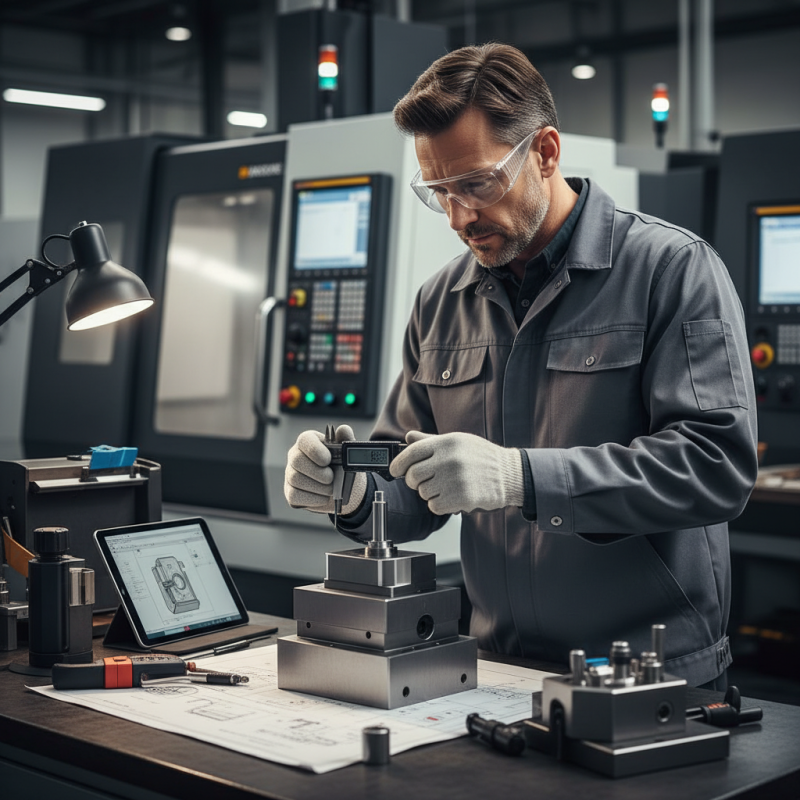
Precision measurement and metrology are crucial for CNC machinists. Accurate measurements directly influence the quality of the machined parts. A slight deviation can lead to significant errors. Understanding how to use tools like calipers and micrometers is essential.
Many machinists overlook the importance of regular calibration. Tools can drift over time, leading to inaccuracies. Taking time to calibrate equipment ensures that measurements remain precise. It can be easy to skip this step, but it’s risky.
Metrology skills also involve understanding tolerances. Different projects require varying levels of precision. Knowing when to apply tighter tolerances can save time and resources. However, too much focus on perfection can lead to wasted effort. Balancing precision and practicality is a constant challenge for machinists.
Top 10 Skills Every CNC Machinist Should Master
Troubleshooting Techniques for CNC Machine Operations
In CNC machining, troubleshooting skills are essential. Issues can arise at any time. A keen eye can help detect problems early. For instance, listen for unusual sounds during operation. A grinding noise often signals a malfunction. This could stem from tool wear or incorrect settings.
Operators should also check for vibration. Excessive vibration can indicate imbalanced components. This can lead to defects in machined parts. Regular maintenance is vital. Neglecting this can worsen problems. For example, a lack of lubrication can cause overheating. Operators often overlook this simple step.
It’s important to remain calm during troubleshooting. Panic can lead to hasty decisions. Sometimes, stepping back helps. Documenting each issue can reveal patterns. Additionally, sharing experiences with peers can provide new insights. Reflecting on past mistakes is crucial for growth. Each error teaches a valuable lesson, shaping better future practices.
Safety Practices and Protocols in CNC Machining Environments
In CNC machining environments, safety practices are crucial. According to the Occupational Safety and Health Administration (OSHA), machine operators face a significant risk of injury. In 2020, workplace injuries in manufacturing were reported at over over 95,000 cases. These numbers highlight the urgent need for strict safety protocols.
To foster a safe workspace, regular training is essential. Operators should undergo sessions that emphasize machine operation best practices. Utilizing personal protective equipment (PPE) such as gloves, goggles, and hearing protection is a necessity, not an option. A 2022 report indicated that proper PPE can reduce injury rates by up to 50%.
Despite these measures, complacency can creep in. A recent survey indicated that 20% of operators do not consistently wear PPE. This negligence leads to higher accident rates. Failure to adhere to safety protocols often results from a lack of awareness or oversight. Each operator must be vigilant and proactive about safety, as one small mistake can lead to severe consequences. Recognizing the importance of safety is the first step in creating a secure working environment.