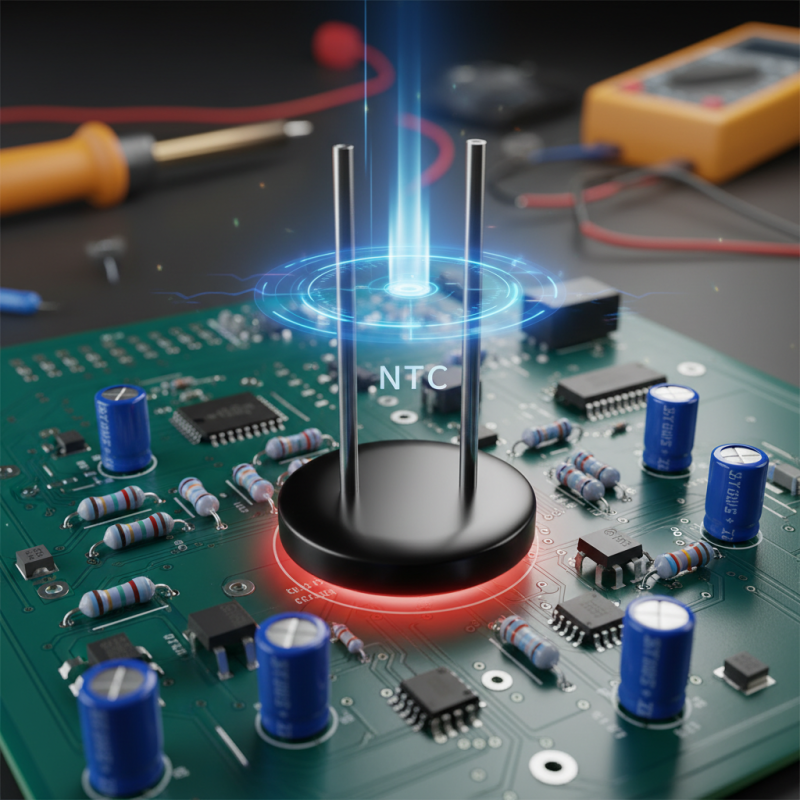
What is a Thermistor Current Limiter and How Does It Work?
A Thermistor Current Limiter is a crucial component in electrical applications. It controls the flow of current, protecting devices from overload. This tool relies on the thermistor's unique properties, which change resistance based on temperature. High temperatures trigger increased resistance, limiting current and preventing damage.
Understanding how a Thermistor Current Limiter works is vital for engineers and technicians. Its effectiveness lies in its ability to react quickly to changes. However, not all installations benefit equally. Some may find the response time insufficient under specific conditions.
Despite its advantages, the Thermistor Current Limiter is not flawless. Dependence on temperature can lead to inaccuracies. In certain circumstances, it might not protect adequately. Evaluating its limitations is essential before implementation. Balancing reliability and performance is key in choosing the right solution.
Definition and Purpose of a Thermistor Current Limiter
A thermistor current limiter is a crucial component in regulating electrical currents. Simplistically, it acts as a resistor that varies its resistance based on temperature changes. Typically, thermistors are made of ceramic or polymer materials. When current flows through them, they heat up, leading to decreased resistance and regulating the amount of current passing through a circuit.
These components are widely used in various industries, especially in power supply and automotive applications. According to industry reports, thermistor-based current limiters can handle variations in current that might reach 20 amps or more. This ability to manage high currents significantly reduces the risk of component damage. Reliable thermal management prevents issues such as overheating and burnouts, ensuring the longevity of electronic devices.
Tips: Always choose a thermistor rated for your specific application. Make sure to check the heat dissipation properties. Incorrect ratings can lead to performance failures.
Thermistor current limiters may have limitations. Their response time might not always match higher-frequency applications. This delay can lead to momentary overload. Additionally, handling very high currents can pose challenges to their efficiency. Regular assessments are essential to evaluate their performance accurately.
How Thermistors Respond to Temperature Changes
Thermistors are temperature-sensitive resistors. They change resistance with temperature fluctuations. This property makes them ideal for current limiting in circuits. When temperatures rise, their resistance decreases, allowing more current to flow. Conversely, as temperatures drop, their resistance increases, limiting the current.
These devices are often made from ceramic materials. The design allows them to respond quickly to changes. However, their effectiveness can be influenced by environmental factors. Humidity and airflow can affect readings. Proper placement is essential to ensure accuracy. For instance, a thermistor placed near a heat source may not provide reliable data.
Understanding thermistor behavior is crucial for effective circuit design. They can prevent overheating and protect sensitive components. Yet, engineers must consider potential limitations. Variations in manufacturing can lead to inconsistencies in performance. It's vital to test each thermistor in its intended application. Careful consideration can enhance reliability in numerous electronic systems.
The Mechanism of Current Limiting in Thermistors
Thermistors are crucial components in electronic devices. These resistors change their resistance with temperature. A thermistor current limiter helps control the flow of current, protecting circuits from damage. When the temperature rises, the resistance decreases. This unique property makes thermistors very effective in current limiting.
In devices with a thermistor current limiter, the flow of electricity is reduced as the temperature increases. During start-up, the thermistor has a high resistance. This limits the inrush current. As the device warms up, the resistance drops. This allows more current to flow without damaging the circuit.
Tip: When using thermistors, consider the thermal characteristics of your application. Understanding these can help in selecting the right thermistor for your needs.
Thermistors can sometimes be tricky. If they get too hot, they might fail. This can lead to unexpected behavior in your device. It's essential to monitor their performance regularly.
Tip: Regular testing of your thermistor current limiter can prevent unexpected failures.
Keeping all these factors in mind will ensure smooth operation. Effective thermal management is essential in any electrical design involving thermistors.
Applications of Thermistor Current Limiters in Electronics
Thermistor current limiters play a crucial role in electronics, primarily for overcurrent protection. These components are widely utilized in power supplies and battery management systems. As temperatures rise, their resistance decreases, allowing limited current to flow. This self-regulating feature helps prevent damage to sensitive devices. According to a recent industry report, thermistor current limiters can reduce failure rates by up to 40% in electronic assemblies.
Applications span across various sectors, including automotive, telecommunications, and consumer electronics. In automotive designs, thermistors are essential for battery charging systems. They effectively protect against overcurrent conditions during the charging process. In telecommunications, these limiters manage inrush currents that can lead to equipment failure. Industry experts estimate that using thermistor current limiters could lower maintenance costs by about 30%.
Engineers must consider some challenges when designing with thermistor current limiters. Their performance can vary with temperature and may not be suitable for all applications. A careful analysis of the specific circuit is necessary. Sometimes, trade-offs are required. Balancing component cost and desired reliability can be complex. This can lead to reflection on design decisions and improvements for future projects.
What is a Thermistor Current Limiter and How Does It Work? - Applications of Thermistor Current Limiters in Electronics
| Dimension | Data |
| Type of Thermistor | NTC (Negative Temperature Coefficient) |
| Resistance at 25°C | 10 Ohms |
| Maximum Operating Current | 5 A |
| Temperature Coefficient | -4.5%/°C |
| Applications | Power Supplies, Motor Protection, LED Drivers |
| Noise Reduction | Improves signal integrity by limiting inrush current |
| Alternative Applications | Overcurrent protection, thermal management |
Advantages and Limitations of Using Thermistor Current Limiters
Thermistor current limiters have gained popularity for various applications due to their temperature-sensitive properties. They act as resistors that change resistance with temperature variations. This functionality presents clear advantages. For instance, they automatically reduce current under high temperatures, protecting circuits from overheating. Studies indicate that using thermistors can improve the lifespan of electronic components by up to 30%, making them an appealing choice for many engineers.
However, thermistor current limiters also come with limitations. Their response time can be slow, particularly in high-frequency circuits. This can lead to potential overcurrent situations during sudden surges. Additionally, their resistance change is highly dependent on temperature ranges, which can limit their effectiveness in certain environments. Some reports indicate that up to 15% of applications may not perform optimally due to varying ambient temperatures. Understanding these trade-offs is crucial when considering the integration of thermistors in designs.