
Skip to content

Top 10 Titanium Coffee Mugs for Global Buyers

Coffee travels far, and so do the expectations placed on a good cup. The International Coffee Organization’s Coffee Report and Outlook estimated global coffee consumption at about 177 million 60-kilogram bags in 2023/24. That figure describes coffee, not mug sales. Still, it signals the scale of a daily ritual that needs reliable gear. A Titanium Coffee Mug may appeal to buyers seeking low weight, corrosion resistance, and a durable alternative to ceramic or glass. Titanium is not magic, though. Wall thickness, handle design, finish, and lid quality all affect comfort and performance.

For global buyers, choosing a mug means looking beyond a product photo. A lightweight cup can feel convenient on a trail, yet a narrow handle may be awkward with gloves. A polished interior may rinse clean quickly, while a thin rim can make hot coffee uncomfortable to sip. Details matter. Material claims also deserve checking against manufacturer specifications and recognized standards, rather than marketing language alone. This guide compares ten titanium coffee mugs through practical factors: capacity, construction, portability, usability, and care. Some trade-offs are easy to miss until the first trip. That is worth remembering. No single mug suits every buyer, and published specifications cannot replace hands-on testing. Still, careful comparisons can help importers, retailers, and everyday users identify options that fit their needs and the realities of use.
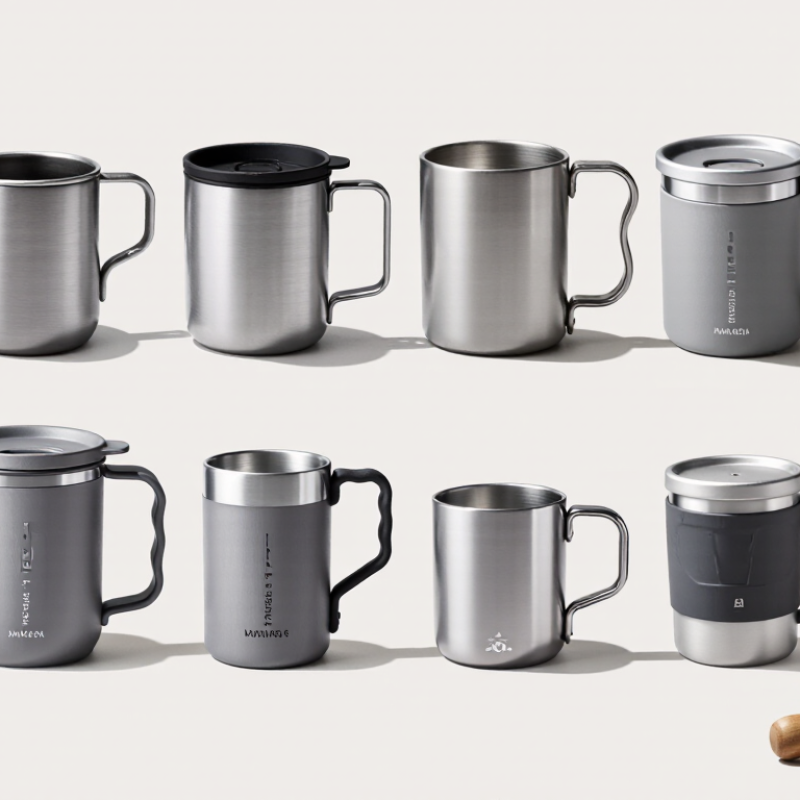
Top 10 Titanium Coffee Mugs for Global Buyers

What Defines a Titanium Coffee Mug and How Is It Made?

A titanium coffee mug is a drinking vessel made mainly from titanium, a lightweight metal valued for its strength and resistance to corrosion. It is not automatically insulated. A single-wall mug can heat quickly, so the rim and body may feel hot after pouring. That detail is easy to overlook.

Manufacturing usually begins with titanium sheet or a formed metal blank. The material is cut, pressed, or spun into a cup shape, then trimmed and smoothed. Some designs use a rolled rim; others attach a handle by welding or mechanical joining. Each method can affect comfort and durability. The surface may be brushed, polished, or treated, but a finish does not prove that the mug is suitable for food contact. Buyers should check material specifications and ask for relevant test documentation.

Quality control matters at the seams and rim. Look for even edges, clean joins, and a stable base. Simple checks help. A mug should sit flat and have no sharp spots. Titanium can also transfer heat quickly, despite its reputation as a tough outdoor material. I would not assume every titanium cup keeps coffee warm. Construction varies, and product descriptions can leave out useful details.

Which Features Matter Most to Global Buyers?

Top 10 Titanium Coffee Mugs for Global Buyers

Which Features Matter Most to Global Buyers?

For global buyers, a Titanium Mug should balance low weight, durability, and everyday comfort. The OECD’s Global Plastics Outlook reports that plastic waste reached 353 million tonnes worldwide in 2019, underscoring interest in reusable products. But a reusable mug is only practical if people want to carry it. Check the mug’s actual weight, capacity, rim finish, and handle clearance; a rough lip or cramped grip can make daily use unpleasant.

Material details matter. Confirm whether the product is made from commercially pure titanium or an alloy, and request clear specifications rather than relying on “premium” claims. A thin-walled mug packs easily, yet may feel hot when filled with coffee. Double-wall construction can improve insulation, but adds bulk and may complicate cleaning. Ask suppliers for food-contact documentation, care instructions, and test records suited to your sales markets. These details can vary by destination.

Tips: Compare filled weight, not just empty weight. Test the lid for leaks, if included, and check whether the mug fits common cup holders. Small details matter. Also review packaging dimensions and minimum order quantities before placing a bulk order; I’d still want to see how each finish holds up after repeated washing.

How Do the Top 10 Titanium Coffee Mugs Compare?

Comparing the top 10 titanium coffee mugs means looking beyond weight. Most are easy to carry, but capacity, wall design, and drinking comfort vary. A compact mug may hold roughly 300 milliliters and fit neatly beside a small stove. Larger models offer more room for a long coffee, though they take up more pack space. Check stated capacity against usable fill level; a mug filled to its rim is awkward to carry.

Construction changes the experience. Single-wall titanium mugs are often lighter and can warm quickly, so the rim may feel hot after a fresh pour. Double-wall designs provide more insulation, but typically add weight and bulk. Handles also differ: folding wire handles save space, while broader handles can feel steadier with cold fingers. Small details matter. A tight lid helps limit spills, but not every lid is leakproof. Compare lid fit, not just its appearance.

Finish and shape affect daily use, too. A wide opening is convenient for cleaning and lets steam escape, while a narrower profile may sit more securely in a pack pocket. Titanium can show scratches and heat discoloration; that is not necessarily a defect. Still, product descriptions do not always make thickness or lid performance clear. Comparing measurements and user-tested details is more useful than relying on weight alone. A mug can be excellent on paper and fiddly at camp.

Top 10 Titanium Coffee Mugs for Global Buyers - How Do the Top 10 Titanium Coffee Mugs Compare?

Comparison of common titanium mug formats rather than named or ranked brands. Capacity and weight are indicative ranges found across product listings; exact specifications vary by design, material thickness, handles, lids, and manufacturing tolerances. Confirm current specifications with the supplier before purchasing.

No. Mug format Typical capacity Typical empty weight Common construction Best suited to Key trade-off
1 Ultralight camping cup 250–350 ml 35–60 g Single-wall titanium; folding or fixed wire handles Backpacking and emergency kits Very light, but the thin walls transfer heat quickly to the hand.
2 Compact everyday mug 300–400 ml 50–90 g Single-wall body; fixed side handle Coffee portions and compact travel gear Easy to pack, with less room for large drinks or add-ins.
3 Standard camp mug 400–500 ml 60–110 g Single-wall body; broad rim and side handle General-purpose camping and travel A versatile size, but not insulated against heat loss.
4 Large-volume mug 500–750 ml 80–150 g Single-wall titanium; reinforced rim is common Large servings, soup, or shared hot drinks Higher capacity increases bulk and can make a full mug harder to handle.
5 Mug with folding handles 300–500 ml 60–120 g Single-wall body with hinged or folding wire handles Nested packing and limited storage space Packs flat, but hinges and handle joints add parts to inspect.
6 Mug with fitted lid 350–500 ml 80–160 g Single-wall titanium mug with a separate lid, often titanium or plastic Reducing splashes and keeping out debris outdoors A lid can reduce spills and heat loss, but does not make a single-wall mug insulated.
7 Double-wall mug 250–400 ml 120–220 g Two titanium walls with an insulating gap; not necessarily vacuum-sealed More comfortable handling than a thin single-wall cup Usually heavier and bulkier; insulation performance depends on construction.
8 Vacuum-insulated titanium mug 300–500 ml 180–350 g Double-wall vacuum construction; lid may be included Longer temperature retention during travel or desk use More insulating, but substantially heavier than simple camping cups.
9 Tall, narrow travel mug 400–600 ml 150–320 g Single- or double-wall body; often designed for a lid Cup holders and carrying a larger beverage Fit varies by vehicle; check base diameter and lid sealing details.
10 Stackable nesting mug 300–450 ml 55–110 g Tapered single-wall shape; handle may fold or sit close to the body Group camping and compact kitchen storage Efficient to store in multiples, but nested mugs may be harder to separate when wet.

Buyer checks: Ask for verified net weight and usable capacity; confirm whether the body is single-wall, double-wall, or vacuum-insulated; review lid material and sealing design; and request food-contact documentation applicable to the destination market. Titanium is a low-density metal (about 4.5 g/cm³), but mug weight also depends on dimensions, wall thickness, and added components.

Which Titanium Mug Best Fits Each Buyer and Use Case?

The best titanium coffee mug depends less on a “top ten” ranking than on how you drink, travel, and clean. For backpackers, a lightweight, single-wall mug is easy to pack and works well for quick coffee at camp. It may cool faster and feel hot against the hand, though. A double-wall design suits commuters who want better heat retention and a cooler exterior, but its added bulk can matter in a small pack. Check capacity against your usual serving: a compact cup saves space, while a larger one avoids repeated refills.

For office use, prioritize a stable base, comfortable rim, and easy-to-clean interior. Frequent travelers may prefer a simple shape that fits common cup holders and has no delicate parts. A folding handle helps save space, but can feel less solid when carrying a full mug. Families or outdoor groups should compare weight with durability and consider whether the mug is easy to identify and rinse. Small details count.

Material grade, wall construction, listed weight, and care instructions are useful comparison points; seller claims alone are not enough. Titanium is corrosion-resistant, but mug performance still varies by design and manufacturing quality. Look for clear specifications and inspect the rim and handle before regular use. There is no perfect choice. I would reconsider any pick that feels awkward after a few real mornings.

Suggested capacities are practical buying guidelines for each use case, not specifications for particular products. Check a mug’s listed capacity, weight, lid compatibility, and care instructions before buying.

How Should Buyers Evaluate Sourcing, Safety, and Care?

For global buyers comparing titanium coffee mugs, sourcing starts with traceable material specifications. Ask suppliers for the titanium grade, wall thickness, stated capacity, and written quality checks. Request a sample from the production run, not only a polished showroom piece. Check the rim for burrs, inspect the handle joints, and measure the mug when filled. Small differences matter when cartons are packed tightly or replacement parts are needed. A low quoted price can hide thin walls or inconsistent finishing. That said, paperwork alone cannot show how a mug feels after repeated use.

Safety claims need careful reading. Ask whether the mug is intended for food contact and whether testing covers its coatings, if any. Prefer clear documentation over vague assurances. Test a sample with hot water, then check for unusual odor, surface changes, or a handle that becomes uncomfortable. Titanium does not prevent burns. The contents can still scald, and an uninsulated wall may heat quickly. Keep care instructions simple: wash with mild soap, rinse well, and dry before storage. Avoid abrasive pads if the surface is coated. Not every scratch is a defect, but persistent odor or a loose handle deserves follow-up. Buyers should confirm inspection criteria and defect remedies in writing before placing a large order.

Back To Top