Skip to content

10 Best CNC Mill Machines for Global Buyers

Choosing the right CNC mill machine is not simply a matter of comparing prices. Global buyers must examine accuracy, spindle power, working travel, control systems, and long-term service support. A machine that performs well in one workshop may struggle in another. Floor space, electricity standards, climate, operator training, and available tooling can change the decision.

Gene Haas, founder of Haas Automation, has stated, “Our goal has always been to make CNC machine tools more affordable and accessible.” That idea remains relevant for modern buyers. Affordability matters, but dependable production matters more. A low purchase price can become expensive when spare parts arrive slowly, software support is limited, or technicians cannot solve problems remotely. These details are easy to overlook.

This guide reviews 10 best CNC mill machine options for buyers across different regions and production needs. The selection considers machining capacity, repeatability, ease of operation, maintenance, safety features, and manufacturer reputation. It also considers practical workshop details, such as chip removal, coolant management, tool storage, and installation requirements. No ranking is perfect. That limitation matters. Each recommendation suits a different balance of budget, materials, batch size, and operator experience. Small job shops may prioritize flexibility, while larger manufacturers may need faster cycle times and automation readiness. Buyers should verify current specifications with authorized suppliers before ordering. Product versions, prices, warranties, and regional certifications can change. The strongest choice is not always the most powerful machine. It is the machine that reliably matches the work.

10 Best CNC Mill Machines for Global Buyers

What a CNC Mill Machine Is and How It Serves Global Manufacturers

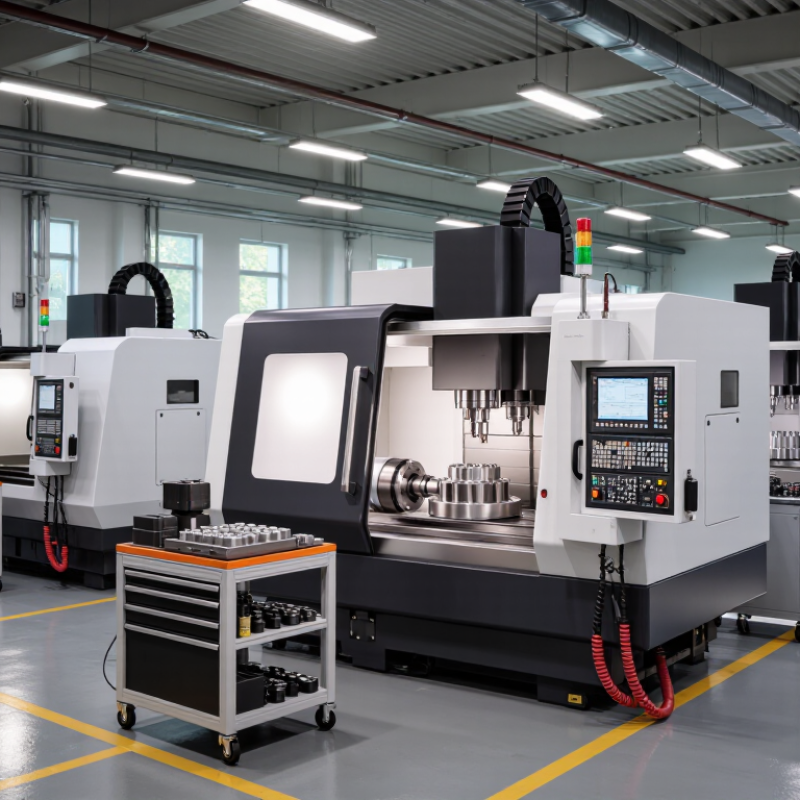
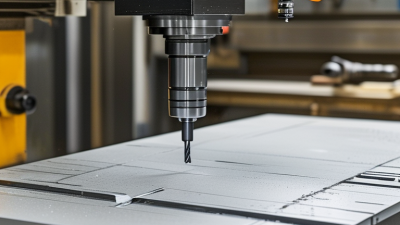
A CNC mill machine removes material from a workpiece through computer-controlled cutting. Its spindle rotates tools, while programmed axes guide movement across metal, plastics, or composites. A typical three-axis mill handles flat surfaces, pockets, holes, and basic contours. Four- and five-axis systems reach angled features with fewer setups. That matters when global manufacturers need repeatable parts across different factories.

The machine converts CAD and CAM files into controlled motion. Sensors, workholding, coolant, and tool libraries influence the final result. A strong machine can hold tight tolerances, but accuracy depends on calibration, temperature, tooling, and operator skill. Small details matter. A warm shop floor can shift dimensions. A poorly supported vise can ruin an otherwise correct program.

The 2024 World Machine Tool Survey reported global machine-tool consumption near 84 billion dollars in 2023. This scale reflects demand for flexible production, not just large factories. The International Federation of Robotics recorded 541,302 industrial robot installations worldwide in 2023, showing broader investment in automated manufacturing. For a “10 best” shortlist, buyers should compare working envelope, spindle speed, axis travel, control compatibility, service access, and total operating cost. Purchase price alone misleads. A lower-cost mill may require longer setup time or difficult spare-parts support. Regional voltage and training needs also deserve attention. Even experienced teams can overlook them.

Key Specifications for Comparing CNC Mill Machines

CNC mill selection starts with measurable capability, not a glossy catalog. Check X, Y, and Z travel against your largest fixture and tool clearance. Spindle speed matters, but torque at low rpm often decides steel performance. Record spindle power, taper size, maximum tool diameter, and rated continuous duty. A high peak rating may hide weak sustained output.

Accuracy claims need careful reading. ISO 230-2:2014 separates positioning accuracy from repeatability, so request test conditions and axis data. Thermal growth can shift a part after hours of cutting. Ask for compensation methods, warm-up procedures, and ambient temperature limits. In shop evaluations, I also inspect chip evacuation, coolant flow, probing, and tool-change time. These details affect real throughput. They rarely appear in headline specifications.

Tips: Compare identical materials, cutters, and depth-of-cut values. Use a sample program before purchase. The IFR World Robotics 2024 report recorded 541,302 industrial robot installations in 2023, showing rising automation demand. A compatible mill should support future loading and inspection, not only today’s operator. AMT reported 4.9 billion dollars in U.S. manufacturing technology orders during 2023, but spending alone does not prove suitability. I have seen buyers overvalue speed and undervalue rigidity. That mistake is expensive. Leave room for doubt.

Ten Leading CNC Mill Machines for Different Production Needs

10 Best CNC Mill Machines for Global Buyers

Ten leading CNC mill machines serve different production needs, and the best choice depends on material, tolerance, batch size, and floor space. A three-axis vertical mill suits general aluminum parts, repair work, and small production runs. A four-axis model adds rotary positioning for fewer setups. Five-axis machines reach angled surfaces and complex aerospace-style components, but their programming demands more skill.

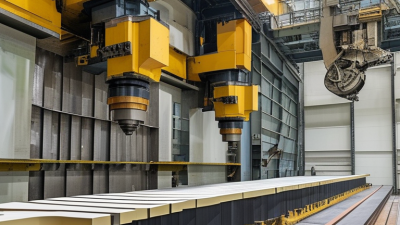
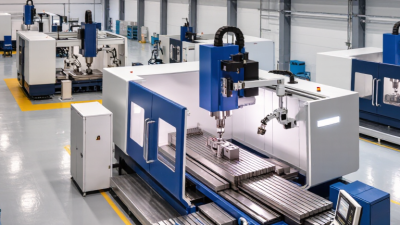
A horizontal mill handles deep pockets and heavy steel cutting with improved chip evacuation. A gantry mill provides a wide work envelope for plates, molds, and large frames.

Compact benchtop mills fit education rooms and small workshops. High-speed mills support detailed work in soft metals, plastics, and graphite. Heavy-duty mills deliver torque for demanding cuts, though they consume more power and space. A micro mill serves tiny components where tool control matters more than speed.

Choose carefully.

In practical evaluations, I check spindle stability, backlash, probing accuracy, coolant access, and service documentation. A machine may claim impressive rapid movement, yet poor chip removal can slow production. That detail is easy to miss. Operators also need clear controls, safe guarding, and parts availability in their region. Five-axis capability sounds attractive, but it may become expensive underused equipment. I would rather match verified test cuts to daily work than trust a specification sheet alone. Even experienced buyers can overlook training time, installation conditions, and electrical standards. The final decision should reflect measured results, not showroom confidence.

CNC Mill Selection by Material, Accuracy, Size, and Budget

10 Best CNC Mill Machines for Global Buyers

CNC Mill Selection by Material, Accuracy, Size, and Budget

Choosing a CNC mill starts with the material, not a glossy feature list. Aluminum needs cutting speed, while steel demands rigidity, torque, and careful chip removal. Plastics may melt when heat builds inside the cut. I have found that a machine handling aluminum well can still struggle with stainless steel. Check spindle power, tooling compatibility, coolant options, and the manufacturer’s tested material range.

Accuracy requires more than a small number in a specification sheet. Examine positioning accuracy, repeatability, backlash control, and thermal stability. A workshop near a loading door may see temperature changes that affect tight tolerances. Run a simple test cut, measure it with calibrated tools, and record results at different spindle temperatures. That evidence is more useful than an impressive brochure.

Size should match the largest realistic workpiece, not an occasional oversized project. Measure the table, travel distances, fixture space, and door clearance. Leave room for chip collection and maintenance. Budget for tooling, workholding, software, training, and electrical installation. My first equipment shortlist ignored these costs and became unrealistic. A lower-priced mill may fit a small shop, but limited travel can create repeated setups and hidden labor. A higher-priced machine is not automatically better; service access and spare-part availability matter greatly for global buyers.

This chart compares ten common CNC mill configurations using their typical usable work-envelope volume. Compact benchtop systems are suited to plastics, wood, aluminum, and small prototypes, while larger production-oriented machines provide more capacity for steel, titanium, and high-volume machining. Actual specifications vary by machine design, tooling, spindle power, and manufacturer.

Installation, Operation, Maintenance, and Global Buying Considerations

Choosing one of the 10 best CNC mill machines requires more than comparing spindle speed or table size. Installation often decides early performance. Place the machine on a rigid, level foundation with enough space for chip removal and service access. Check voltage, phase, air pressure, and local electrical requirements before delivery. A careful technician should verify axis alignment, lubrication flow, emergency stops, and tool clamping. Small leveling errors can appear as visible marks on a finished part.

During operation, begin with a conservative feed rate and a simple test program. Confirm workholding, tool offsets, coolant flow, and travel limits before cutting valuable material. Operators should record unusual vibration, heat, noise, and surface changes. Maintenance works best as a routine, not a rescue plan. Clean chips from guides daily, inspect filters weekly, and review lubrication intervals in the service manual. Even experienced teams miss details sometimes. That is worth admitting.

Tips: Ask for installation drawings, electrical specifications, training materials, and a spare-parts list before purchase. Confirm whether remote support is available in your time zone. Global buyers should also examine crate dimensions, unloading equipment, import documents, warranty terms, and technician response times. A lower purchase price may become expensive when a small sensor or custom fitting takes weeks to replace. Keep a maintenance log with dates, photos, and measured values. Clear records make troubleshooting faster.

10 Best CNC Mill Machines for Global Buyers - Installation, Operation, Maintenance, and Global Buying Considerations

Comparison of widely used CNC milling machine configurations. Specifications are representative market ranges for new industrial equipment and should be confirmed against the final quotation, local standards, and application requirements.

Machine Type Typical Work Envelope Spindle and Tooling Typical Accuracy Best Applications Installation Requirements Operation Considerations Maintenance Priorities Global Buying Considerations
1. Compact 3-Axis Vertical Mill
Entry-level production
X: 500–700 mm
Y: 300–400 mm
Z: 350–450 mm
Table load: 200–400 kg
6,000–8,000 rpm
BT30 or ISO30 taper
3.7–7.5 kW motor
8–12 tool positions
Positioning: approximately ±0.01 mm
Repeatability: approximately ±0.005 mm
Small aluminum parts, brackets, fixtures, prototypes, educational machining, and repair work. Rigid level floor, three-phase power in most industrial versions, clean compressed air, coolant handling area, and lifting access. Suitable for simple 2.5D and 3-axis work. Operators should verify workholding, tool length offsets, coordinate zero, and dry-run clearance. Daily chip removal, weekly lubrication checks, coolant monitoring, spindle warm-up, and periodic backlash inspection. Check electrical frequency, plug type, import duties, operator training, spare-part availability, and remote technical support.
2. Standard 3-Axis Vertical Machining Center
General-purpose production
X: 700–900 mm
Y: 400–550 mm
Z: 450–600 mm
Table load: 500–800 kg
8,000–12,000 rpm
BT40, CAT40, or ISO40 taper
7.5–15 kW motor
16–24 tool positions
Positioning: approximately ±0.008 mm
Repeatability: approximately ±0.005 mm
Steel and aluminum components, mold plates, machine parts, industrial fixtures, and repeat batch production. Reinforced concrete or engineered foundation, stable three-phase supply, compressed air, coolant drainage plan, and adequate ventilation. Good balance of flexibility and output. Use proper cutting data, tool presetting, chip evacuation, and program simulation before production. Inspect way covers, lubrication flow, coolant concentration, tool changer movement, spindle condition, and axis alignment. Confirm metric or imperial programming options, CNC controller language, CE or equivalent compliance, delivery insurance, and acceptance testing.
3. High-Speed Vertical Mill
Non-ferrous and finishing work
X: 600–800 mm
Y: 400–500 mm
Z: 400–550 mm
Table load: 300–600 kg
15,000–24,000 rpm
BT30, HSK-A63, or equivalent taper
11–22 kW motor
20–32 tool positions
Positioning: approximately ±0.005 mm
Repeatability: approximately ±0.003 mm
Aluminum aerospace-style parts, graphite, electrodes, medical components, small molds, and fine surface finishing. Temperature-controlled environment is preferred. Requires clean air, balanced tooling, high-quality coolant filtration, and vibration-controlled placement. Requires correct high-speed tool balancing, conservative acceleration settings, proper spindle warm-up, and careful vibration monitoring. Keep spindle cooling clean, inspect drawbar force, balance holders, clean linear scales, and monitor spindle temperature and noise. Review ambient temperature limits, spindle warranty, voltage stability, service response time, and availability of precision tool holders.
4. Heavy-Duty Vertical Mill
Steel and difficult materials
X: 900–1,300 mm
Y: 500–700 mm
Z: 500–700 mm
Table load: 800–1,500 kg
6,000–10,000 rpm
BT40 or BT50 taper
15–30 kW motor
20–32 tool positions
Positioning: approximately ±0.01 mm
Repeatability: approximately ±0.006 mm
Steel housings, energy-sector components, heavy fixtures, castings, and high-volume roughing operations. Engineered foundation, suitable crane or forklift capacity, high-capacity electrical connection, chip conveyor space, and coolant collection. Use rigid workholding and appropriate roughing strategies. Verify table load, tool reach, spindle torque, and chip removal capacity. Check gearbox or spindle transmission, lubrication reservoirs, ballscrew condition, hydraulic pressure, coolant filtration, and table leveling. Calculate total landed cost, including foundation work, transformer requirements, freight dimensions, installation labor, and replacement tooling.
5. Compact 5-Axis Machining Center
Complex small parts
X: 400–600 mm
Y: 400–500 mm
Z: 350–500 mm
Rotary table: 200–400 mm
10,000–18,000 rpm
BT30, HSK-A63, or equivalent taper
7.5–18.5 kW motor
20–40 tool positions
Linear positioning: approximately ±0.006 mm
Rotary positioning: approximately ±5–10 arc-seconds
Impellers, orthopedic components, turbine-style parts, molds, blisks, and parts requiring fewer setups. Requires accurate leveling, rotary-axis calibration, clean compressed air, reliable power, and sufficient CAD/CAM post-processor support. Operators must manage tool-center-point control, rotary-axis limits, collision checking, probing, and correct fixture clearance. Calibrate rotary axes, inspect rotary seals, maintain spindle and axis lubrication, check probes, and verify kinematic accuracy. Confirm simultaneous 5-axis capability, post-processor compatibility, simulation software support, training, and calibration equipment.
6. Universal 5-Axis Mill
High-value complex machining
X: 600–1,000 mm
Y: 500–800 mm
Z: 500–800 mm
Rotary table: 500–800 mm
8,000–15,000 rpm
BT40, HSK-A63, or equivalent taper
15–30 kW motor
30–60 tool positions
Linear positioning: approximately ±0.005–0.01 mm
Rotary positioning: approximately ±3–8 arc-seconds
Aerospace structures, medical implants, complex molds, precision housings, and multi-sided production parts. Requires professional rigging, precision leveling, controlled temperature, reliable compressed air, coolant management, and post-installation calibration. Use verified 5-axis post-processing, tool-tip programming, probing routines, collision simulation, and controlled setup documentation. Perform volumetric accuracy checks, rotary-axis calibration, spindle inspection, probe verification, and regular way and ballscrew lubrication. Evaluate software licensing, training hours, calibration certificates, service engineer coverage, export documentation, and local compliance.
7. Double-Column Gantry Mill
Large workpieces
X: 1,500–3,000 mm
Y: 1,000–2,000 mm
Z: 800–1,200 mm
Table load: 2,000–8,000 kg
4,000–8,000 rpm
BT50, HSK-A100, or equivalent taper
22–60 kW motor
24–60 tool positions
Positioning: approximately ±0.015–0.03 mm
Repeatability: approximately ±0.01–0.02 mm
Large molds, construction machinery parts, aerospace tooling, energy components, and oversized structural parts. Requires structural foundation engineering, large-door access, heavy lifting equipment, high-capacity power, and dedicated chip and coolant systems. Plan workholding and tool access carefully. Use segmented machining strategies, accurate probing, and controlled thermal compensation. Inspect guideways, rack-and-pinion or ballscrew systems, gantry squareness, spindle bearings, coolant filtration, and foundation settlement. Verify factory footprint, shipping dimensions, port handling, building access, foundation drawings, insurance, and commissioning scope.
8. CNC Bed Mill with Automatic Tool Changer
Large and economical milling
X: 1,000–2,000 mm
Y: 600–900 mm
Z: 600–900 mm
Table load: 1,000–3,000 kg
4,000–8,000 rpm
BT40 or BT50 taper
11–30 kW motor
16–32 tool positions
Positioning: approximately ±0.015 mm
Repeatability: approximately ±0.008–0.012 mm
Large plates, welded assemblies, dies, fixtures, maintenance parts, and low-to-medium volume production. Needs a rigid foundation, broad service clearance, sufficient lifting capacity, three-phase power, and effective coolant and chip collection. Well suited to deep cutting and large setups. Verify spindle torque, tool overhang, table travel, and workpiece clearance. Lubricate guideways, check table flatness, inspect tool changer alignment, maintain coolant quality, and monitor axis backlash. Compare shipping volume, installation labor, foundation cost, regional service availability, and replacement tool changer components.
9. CNC Mill-Turn Center
Milling and turning in one setup
Turning diameter: 300–700 mm
Turning length: 500–1,500 mm
Milling travel: 500–900 mm
Chuck size: 200–400 mm
Milling spindle: 8,000–15,000 rpm
Turning spindle: 3,000–5,000 rpm
12–24 driven tools
24–40 total tool positions
Linear positioning: approximately ±0.008–0.015 mm
C-axis positioning: approximately ±10–20 arc-seconds
Shafts, flanges, valve bodies, hydraulic parts, complex rotational components, and reduced-setup production. Requires precise leveling, bar or billet loading space, chip management, hydraulic or pneumatic services, and advanced operator training. Program synchronization between turning and milling functions. Verify tool geometry, C-axis alignment, chuck pressure, and collision limits. Maintain chuck and hydraulic systems, inspect live tooling, check spindle runout, clean chip conveyors, and verify turret indexing. Confirm available post-processors, chuck and bar-feeder standards, live-tool compatibility, safety certification, and local service expertise.
10. CNC Milling Cell with Pallet Changer
Automated repeat production
X: 700–1,000 mm
Y: 500–700 mm
Z: 500–700 mm
Pallet: 400–630 mm
Pallet load: 400–1,000 kg
8,000–15,000 rpm
BT40 or HSK-A63 taper
15–30 kW motor
30–60 tool positions
Positioning: approximately ±0.006–0.01 mm
Repeatability: approximately ±0.004–0.006 mm
Automotive-style components, hydraulic parts, fixtures, repeat batches, and unattended or lightly attended production. Needs robot or pallet clearance, safety fencing, stable power, compressed air, coolant filtration, chip handling, and production-floor networking. Standardize fixtures, tool-life data, probing, barcode or job identification, setup sheets, and recovery procedures for interrupted cycles. Inspect pallet locating systems, robot grippers, tool-management data, probing accuracy, coolant concentration, and chip conveyor operation. Assess automation integration, safety regulations, network compatibility, spare grippers and sensors, training, and total cycle-time savings.

Buyer checklist: Before placing an international order, confirm machine footprint, shipping weight, electrical voltage and frequency, foundation requirements, controller language, software compatibility, included tooling, warranty terms, spare-parts lead time, installation responsibility, operator training, acceptance-test method, and local safety certification.

Back To Top