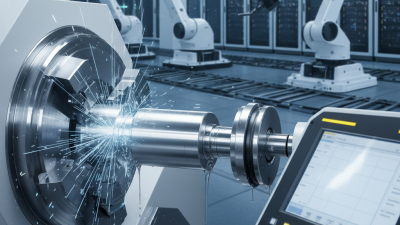
How to Choose the Right Swiss Machining Supplier?
Choosing the right Swiss machining supplier is not simply a matter of comparing hourly rates. It is a decision about repeatability, engineering judgment, and production risk. A polished sample part can hide weak process control. Look closer. Ask how the supplier controls bar stock, tool wear, coolant, inspection, and thermal drift.
The global CNC machine market is projected to reach approximately USD 112.5 billion by 2028, according to the MarketsandMarkets CNC Machine Market report. Grand View Research also identifies automation, medical devices, and high-precision components as major growth drivers. These figures describe CNC machining broadly, not Swiss machining alone. That limitation matters. Swiss work demands specialized experience with guide bushings, sliding headstocks, slender parts, and tight dimensional windows.
John Saunders, founder of Saunders Machine Works, has said, “Feeds and speeds are a starting point, not a finish line.” That principle applies directly when evaluating a supplier. A capable partner should explain how cutting data changes with material, diameter, geometry, and tool condition. Request inspection records, first-article results, and examples of corrective actions. Visit the facility if possible. Notice the details: organized tool cabinets, labeled material racks, calibrated gauges, and clean chip management.
Cost still matters. It should not lead alone. A cheaper quote may exclude setup work, secondary operations, inspection, or packaging. The best supplier may not be the largest one. Sometimes, the smaller shop communicates better and catches design problems earlier. Sometimes, it does not. This guide examines the questions, evidence, and warning signs that separate a reliable Swiss machining partner from an attractive but risky quotation.
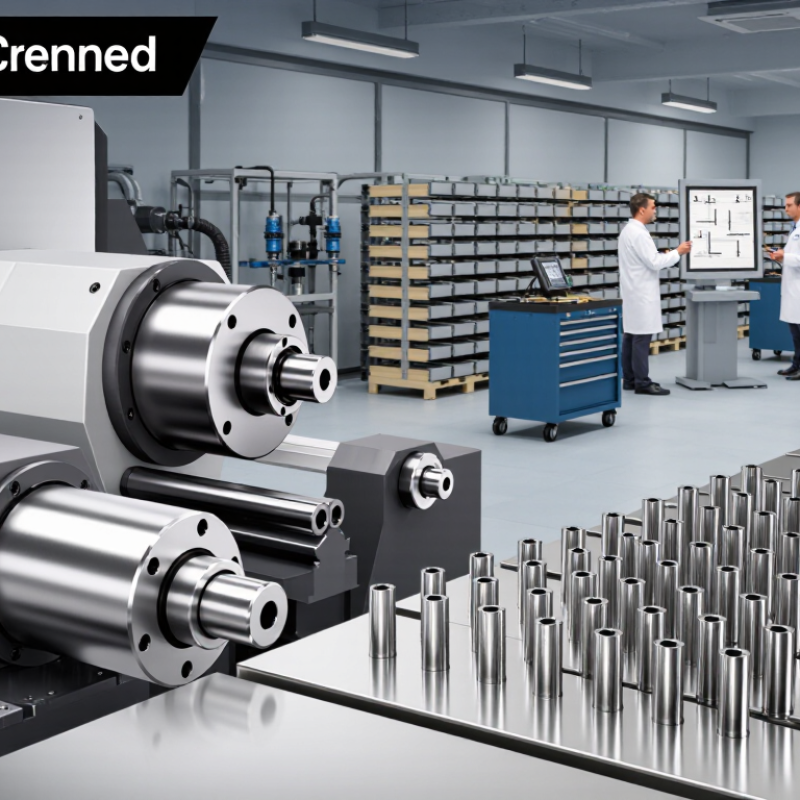
Define the Production Requirements for Your Swiss Machined Parts
Before comparing Swiss machining suppliers, define what the part must do in real service.
Record the material, hardness, diameter, length, tolerances, surface finish, and annual quantity. Include the smallest features, such as a 0.8 mm cross-hole or a 0.3 mm thread pitch. Tiny details affect tooling, inspection, and cycle time. Describe the mating components too. A drawing alone can hide functional problems.
Separate critical dimensions from preferred dimensions.
Mark datums, geometric tolerances, burr limits, and cosmetic areas clearly. State whether parts need passivation, heat treatment, cleaning, or traceable inspection reports. For medical, aerospace, or fluid applications, identify required documentation before requesting quotes. Suppliers can only price accurately when acceptance criteria are measurable.
“Good surface quality” is not measurable. Use a roughness value instead.
Ask potential suppliers to review the design for Swiss turning, not merely confirm capacity.
Their engineers should discuss bar stock, tool access, chip control, workholding, and secondary operations. Request sample inspection data and a realistic production schedule.
I have seen projects fail because the tolerance stack was never checked against the assembly.
That mistake is easy to repeat. Leave room for learning. A pilot batch may reveal that one tight tolerance is unnecessary, while another overlooked feature controls performance. Compare suppliers using the same requirement sheet, including revision control and approval procedures.
Evaluate Supplier Capabilities, Equipment, and Technical Expertise
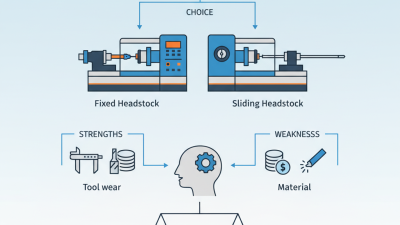
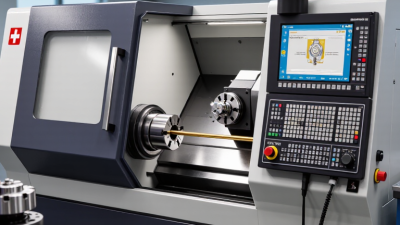
Choosing a Swiss machining supplier starts with measurable capability, not attractive sales language. Check whether its machines match your part geometry, material, and tolerance range. Sliding-headstock lathes suit small, long components. Live tooling can reduce secondary operations. Ask for recent examples with similar diameters, thread forms, and surface finishes. A supplier should explain spindle limits, bar-feeder capacity, tool monitoring, and expected cycle time.
Inspection strength matters equally. Request details about CMM capability, in-process gauging, calibration intervals, and first-article reporting. Deloitte’s 2024 Smart Manufacturing and Operations Survey found that 86% of manufacturers expect smart manufacturing to drive competitiveness within three years. This supports asking about digital production records and real-time machine data. Yet software alone proves little. A capable engineer should connect inspection results to tool wear, offsets, and corrective action. I would question any supplier promising zero variation without showing process data.
Tips: Request a sample inspection report, machine list, and tolerance study before approval. Ask who reviews manufacturability. Confirm backup capacity for urgent orders. Discuss difficult materials openly. A polished capability sheet can still hide weak process control. Do not ignore communication speed. Poor feedback during a prototype often becomes expensive production trouble. Evaluate technical answers, not just quoted prices. Precision needs evidence.
Compare Lead Times, Pricing, Communication, and Production Flexibility
How to Choose the Right Swiss Machining Supplier?
A capable Swiss machining supplier should be judged beyond the lowest quotation. Compare lead times using your actual drawing, material, tolerance, and order quantity. A five-day promise may exclude programming, material purchasing, inspection, or secondary operations. Ask for a production schedule with clear milestones. Check whether the supplier has enough machine capacity during your expected release period.
Pricing needs careful reading. Request an itemized quotation covering setup, tooling, material, inspection, packaging, and freight. A lower unit price can become expensive when tooling charges or repeated corrections appear later. Communication matters just as much. During an RFQ, notice how quickly the supplier identifies unclear dimensions or missing surface requirements. Clear questions usually signal stronger process control.
I once accepted a fast quotation without checking inspection details. The parts arrived on time, but the reporting format delayed approval. That mistake changed how I evaluate suppliers.
Tips: Send complete drawings and realistic forecasts. Ask for sample inspection reports. Confirm who handles engineering changes. Review response times during the quoting stage. Production flexibility also deserves attention. Can the supplier support prototypes, small batches, and repeat orders? Can it adjust quantities without disrupting other jobs? A supplier with documented quality procedures, experienced machinists, and transparent capacity data offers more dependable decisions. Still, no supplier is perfect. Leave room for verification, contingency planning, and honest discussion when assumptions change.
Assess Samples, References, and Long-Term Supplier Reliability
Choosing a Swiss machining supplier requires more than a bright sample box. Request production samples using the same alloy, tolerances, and inspection plan as your parts. Measure critical diameters, thread fit, concentricity, burr control, and surface finish. Ask for dimensional reports, material certificates, and first-article records. A sample proves capability, not consistency. That distinction matters.
References should resemble your risk, not merely praise. Ask for two customers using comparable tolerances, volumes, and delivery schedules. Verify repeatability, engineering response, and corrective-action speed. The 2023 ISO Survey recorded 1,265,216 ISO 9001 certificates worldwide. Certification signals a management framework, but it does not guarantee Swiss-type turning expertise. ASQ quality-cost guidance places poor-quality costs near 15–20% of sales in many organizations. A weak supplier can become an expensive supplier.
Test long-term reliability with evidence.
Review 12 months of on-time delivery, rejection rates, machine uptime, and customer complaints. Ask how the supplier controls tool wear, outsourced processes, revision changes, and material traceability. Check capacity during peak demand and its documented recovery plan. Visit the facility if possible. Look for calibrated gauges, labeled bins, clean work areas, and operators who understand process controls. In practice, vague answers often predict painful follow-up. Still, no audit is perfect. One overlooked setup error can survive a polished presentation. Use a small paid pilot, define acceptance limits, and review results before increasing volume.